Oddbird and the Architecture of Absence
The beverage brand’s offerings are designed for dealcoholization from the start
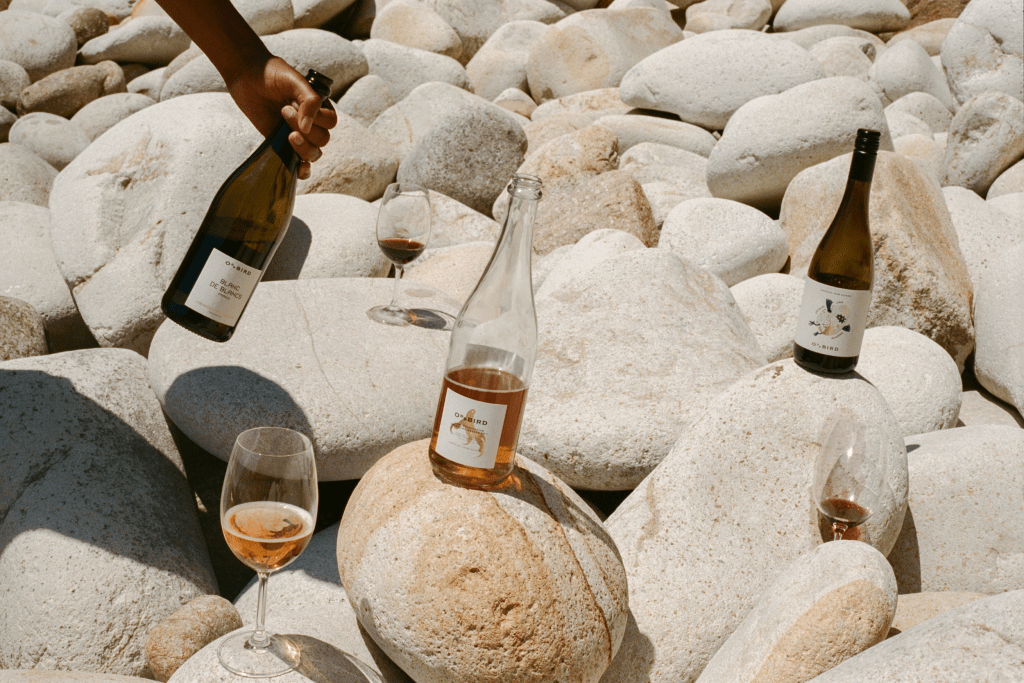
Non-alcoholic wine has spent years trying to prove it belongs. Louder labels. Borrowed credibility. A relentless insistence that what’s missing doesn’t matter. Most of the category still operates from that defensive posture—justifying absence rather than designing around it. Oddbird, the Swedish-born label founded by Moa Gürbüzer, has taken a different position entirely: that the absence is the architecture.
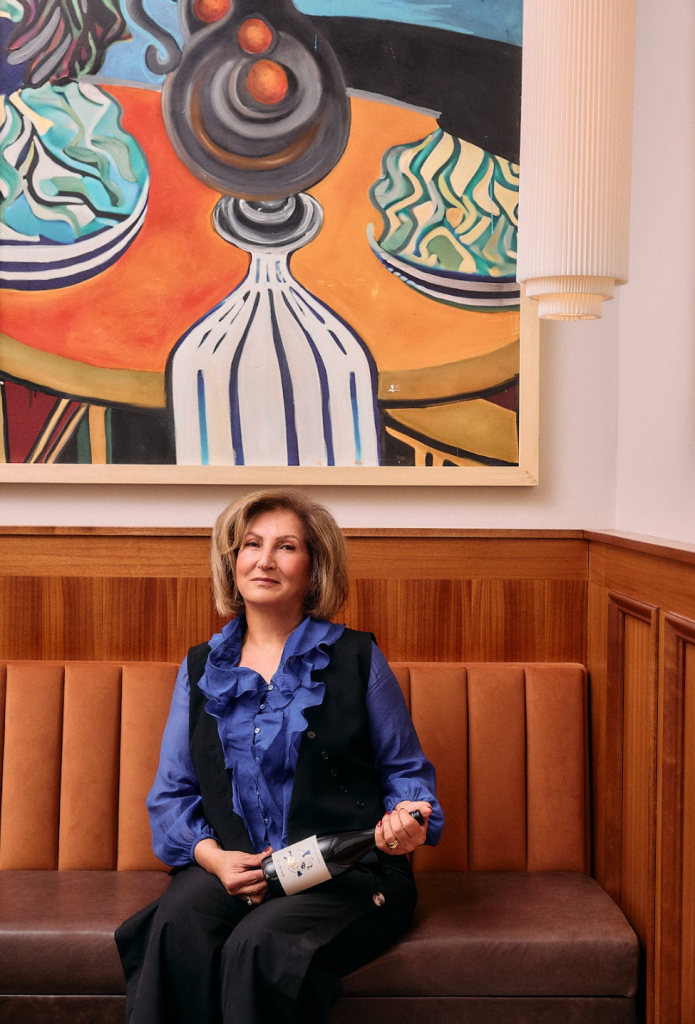
Gürbüzer didn’t come to wine through viticulture or hospitality. She came through two and a half decades of family therapy—years spent observing, at close range, how alcohol reshapes relationships, families and the systems that hold them together. “Oddbird was born from my desire to challenge how society relates to alcohol and its impact on people,” she says. “That perspective remains at the center of every decision we make.”
What makes Oddbird unusual is not the decision to remove alcohol. It’s the refusal to treat removal as an afterthought. Every wine in the portfolio is designed for dealcoholization from the drawing board—grape selection, fermentation, aging—with the full knowledge that the alcohol will eventually be taken away. “We are building a new wine culture,” Gürbüzer says, “one where choosing wine with or without alcohol is as natural as choosing coffee with or without milk.” The ambition is not to replicate what already exists. It is to make the distinction irrelevant. “Technology on its own doesn’t create quality,” she adds. “It simply acts on what’s already there.”
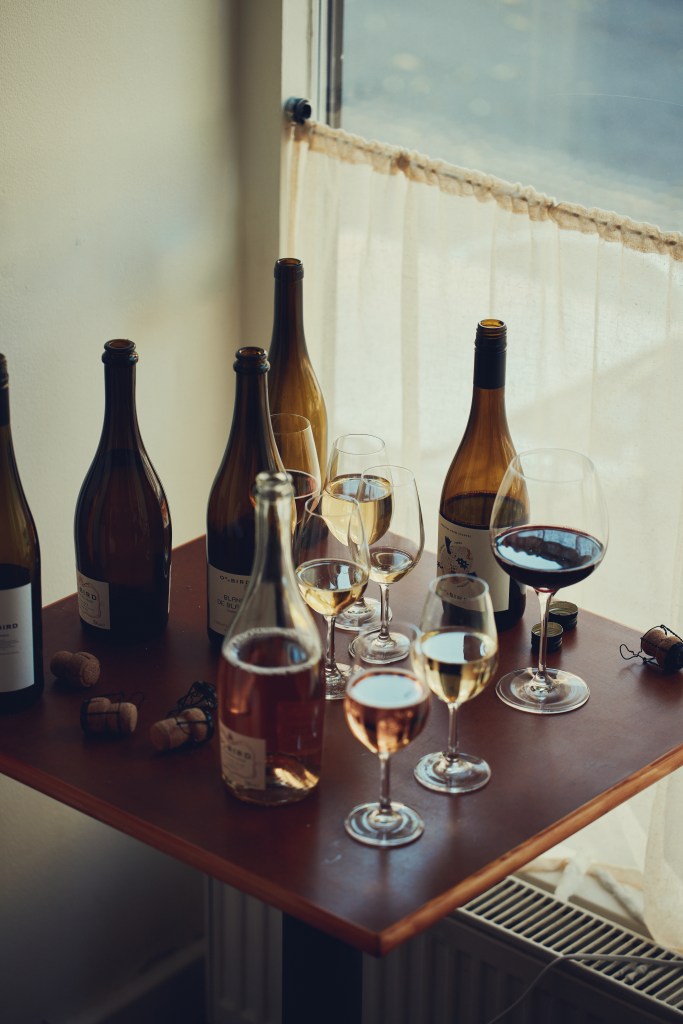
The process itself is vacuum distillation—lowering the pressure inside the system so alcohol separates at 25 to 35 degrees Celcius rather than at temperatures that would destroy the wine’s aromatic complexity. But Gürbüzer is clear that the technology is a small fraction of what defines the result. Some expressions are aged up to 36 months before the alcohol is removed. “Aging is what creates depth, integration and texture,” she says. “You can think of it as the architecture that remains once the alcohol is removed.” Complexity, in her framework, cannot be added afterward. It has to be built through fermentation, time on lees and extended aging—through the interactions that give the wine its structure and expression. If those layers aren’t there from the beginning, dealcoholization simply exposes what is missing.
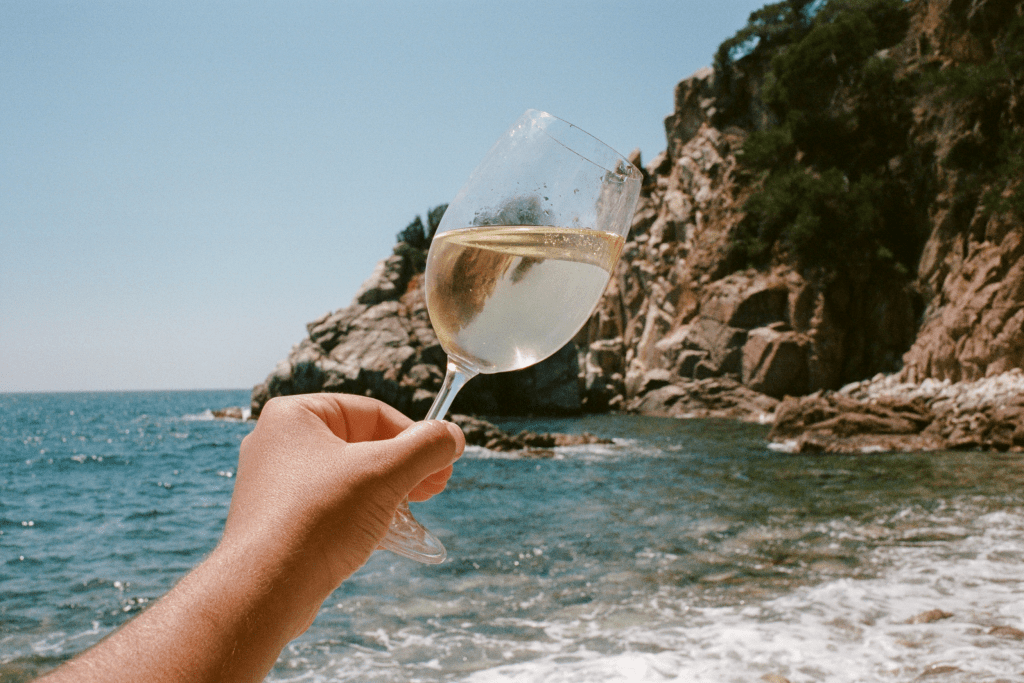
The vineyard partnerships that feed this process span France, Italy and Spain, but the selection is philosophical before it is geographical. Oddbird looks for growers who share a long-term orientation toward soil health, biodiversity and the surrounding ecosystem. A research center in Alsace extends the work further, studying how decisions taken in the vineyard carry through every stage, including how the wine responds when the alcohol is gently removed. “We study the wines at a molecular and sensory level,” Gürbüzer says, “while also understanding how they are perceived, how they perform in gastronomic settings and how drinking behaviors are evolving across different markets.” The integration is deliberate. Wine, science, and culture are treated as a single system.
That system now reaches more than 20 markets. Oddbird sits on the lists at Eleven Madison Park and on the shelves at Erewhon—two placements that represent radically different consumer relationships to wellness. Gürbüzer sees no contradiction. “Different audiences may come to it for different reasons,” she says, “but what they experience is the same level of quality and intention.” The seriousness is in the craft. It does not shift depending on the shelf.
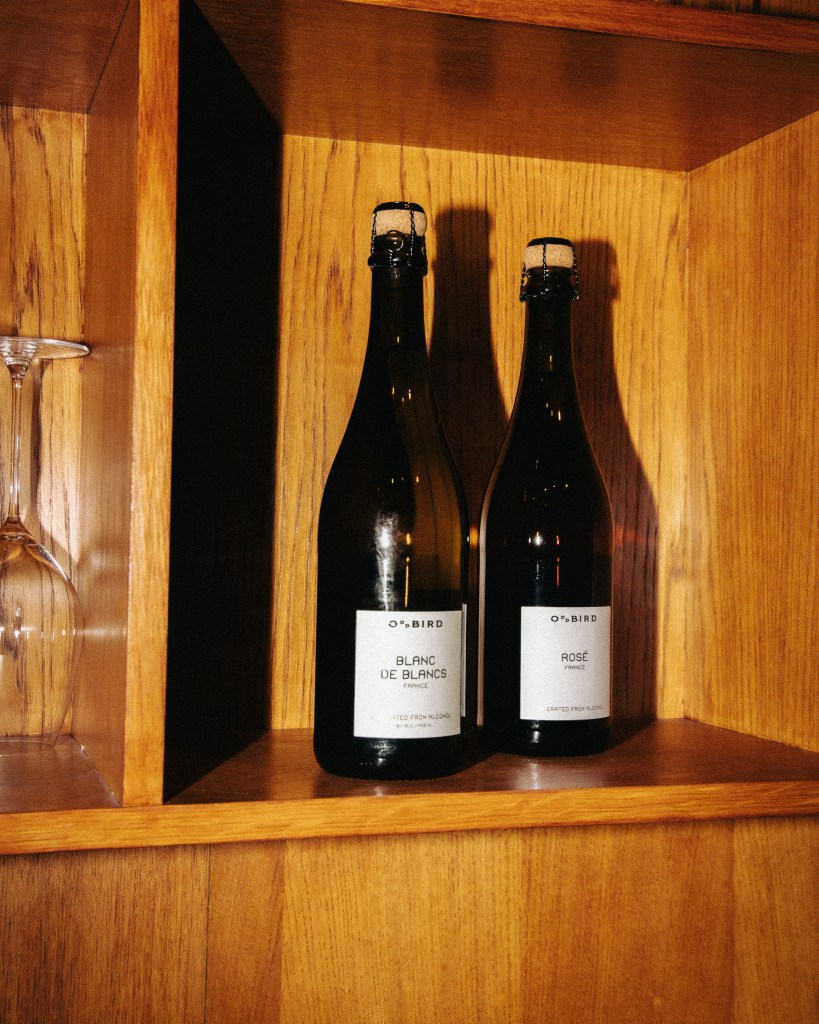
The cultural shift she identified years ago has only accelerated. People are more informed. The effects of alcohol are better understood, and the decision not to drink has moved from something that requires explanation to something that requires nothing at all. “As long as the experience felt like a downgrade, it still felt like a limitation,” Gürbüzer says. “What changed is that the quality caught up.” When the wine itself delivers structure, complexity, and a sense of occasion, the choice is no longer about absence. It becomes a different way of participating in the same ritual.
Next is Oddbird C, a blend of Chardonnay, Pinot Noir and Meunier produced using traditional methods and aged for over 24 months before the alcohol is removed. It is a limited vintage, released in small quantities through a waiting list, launching first in the U.S. and Canada in May. Gürbüzer frames it simply: “More than anything, C is a reflection of where we are heading. Continuing to push the category forward, by working within wine at the highest level.”
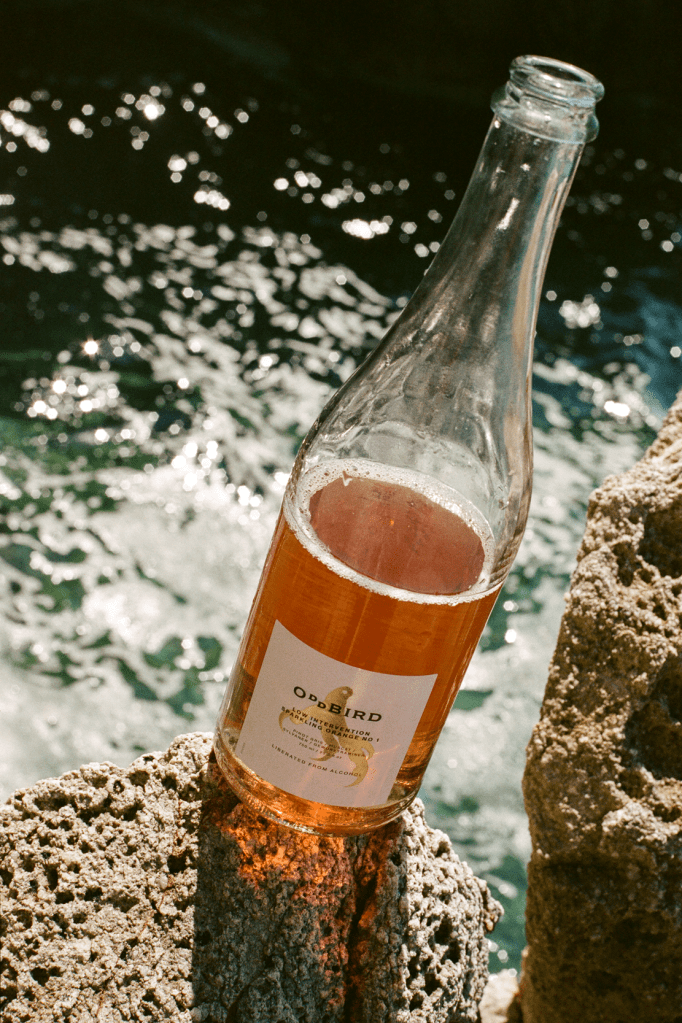
In a category still defined by what it removes, Oddbird’s quiet argument is that the most important decisions happen long before the alcohol leaves the bottle. The craft is not in the subtraction. It is in everything that was built to remain.





What are your thoughts?