Inside the Quiet Obsession of Savoir Beds
How a bespoke London bedmaker, born of The Savoy’s refusal to compromise, still hand-builds each mattress as a single craftsperson’s signed work
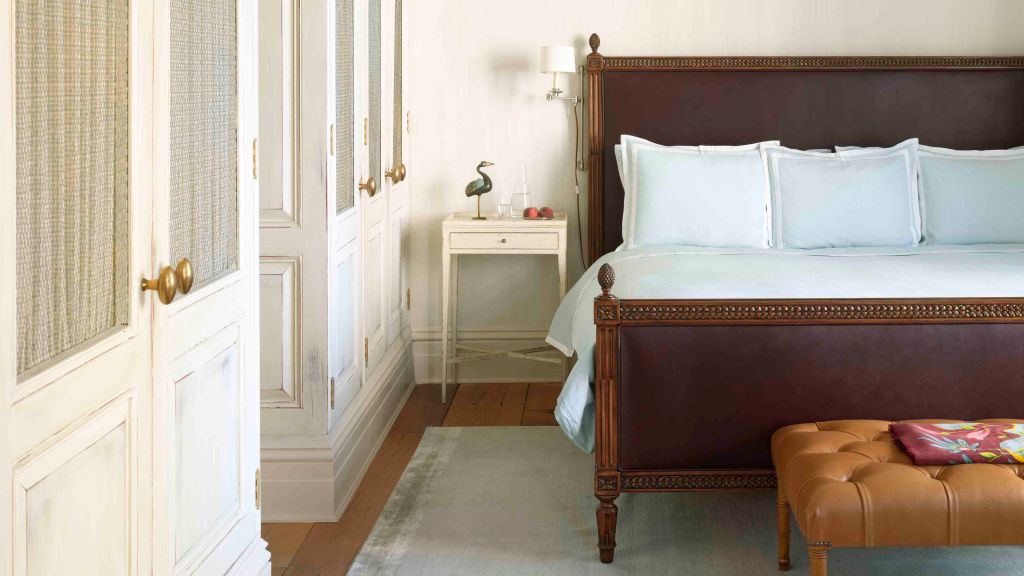
A recent stay at New York’s Greenwich Hotel produced what is often described by guests, with surprisingly little hyperbole, as the best night’s sleep in the world. Every bed in the property is a bespoke Savoir, and the hotel’s team is said to have spent nights testing mattresses before finalizing the selection. After a single evening folded into one—cloud-soft on the surface, structurally precise underneath—the obsession surrounding this heritage British maker becomes immediately legible.
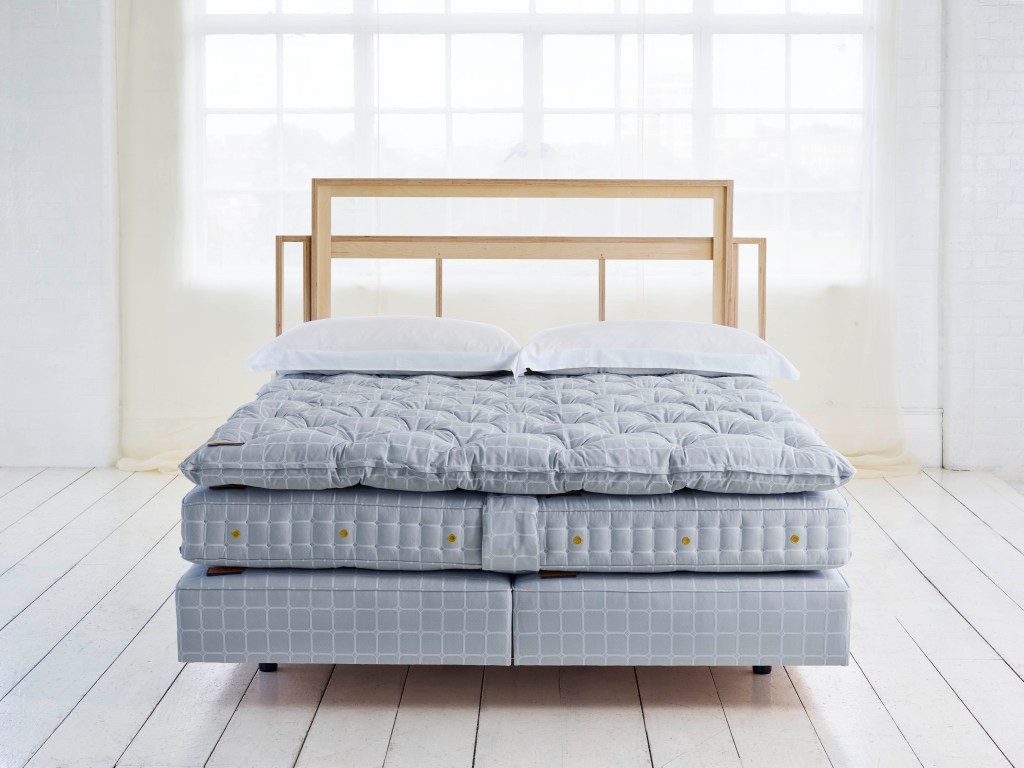
Savoir’s history is inextricably bound to London’s Savoy Hotel. In 1905, The Savoy was a disruptive force in luxury hospitality, introducing hot and cold running water and “ascending rooms,” better known today as elevators. Unable to source a bed that met its standards, the hotel commissioned a London upholsterer to build one. The result was the Savoir Nº2 and Savoy Bedworks produced these beds exclusively for the hotel for decades, until the operation was acquired and rebranded as Savoir Beds in 1997, opening the experience to private clients for the first time.
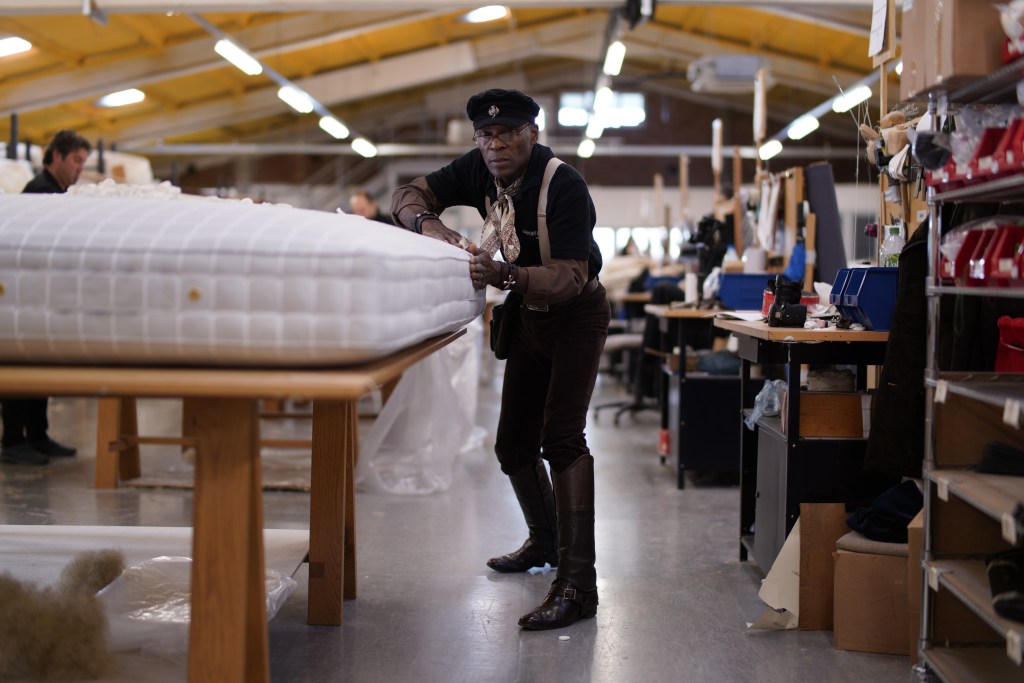
What distinguishes a Savoir bed is the refusal to industrialize any part of its making. There is no production line. Each mattress is bench-made by a single master craftsperson who shepherds it from frame to finish and signs the label at the end, the way an artist signs a canvas. The fillings are entirely natural—double-carded wool, cotton and exceptionally long, curled South American horse hair—with no plastics, memory foams or synthetic stuffings.
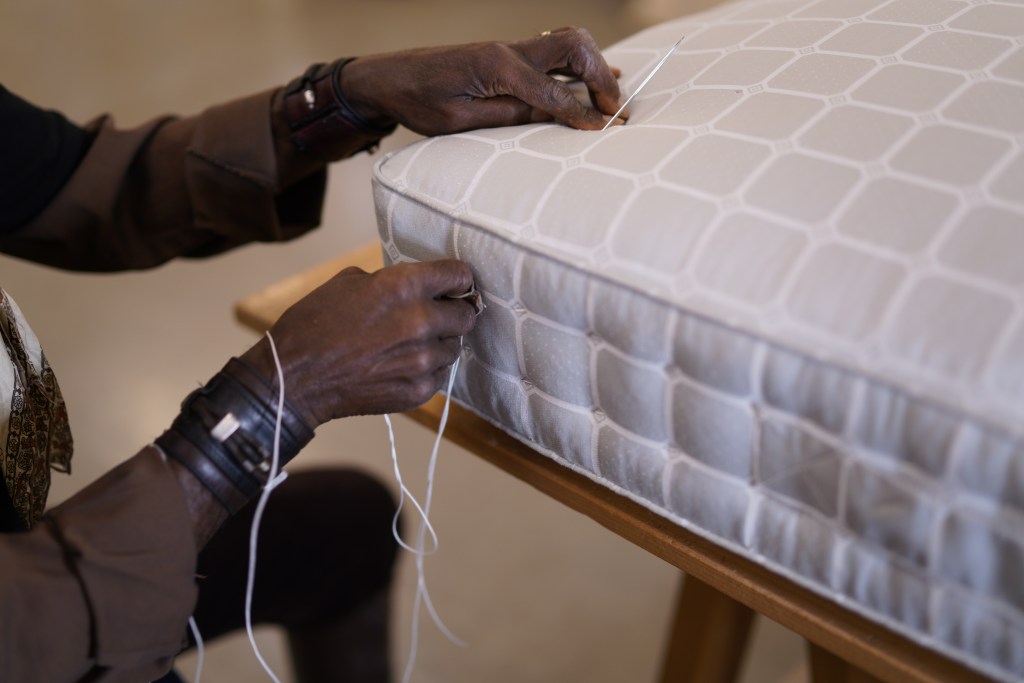
In a recent conversation, Veronica Macasaet, Savoir’s VP of sales, described the construction process with a craftsperson’s specificity. The casing, she explained, opens like a suitcase. Artisans stuff it by hand, then sew it shut stitch by stitch—no machines involved. As they work, they compress the springs down within an eight-inch window, producing what Savoir calls live compression. That live compression—springs continuously pushing back against the body—is what produces the dynamic, pressure-free support that defines a Savoir night.
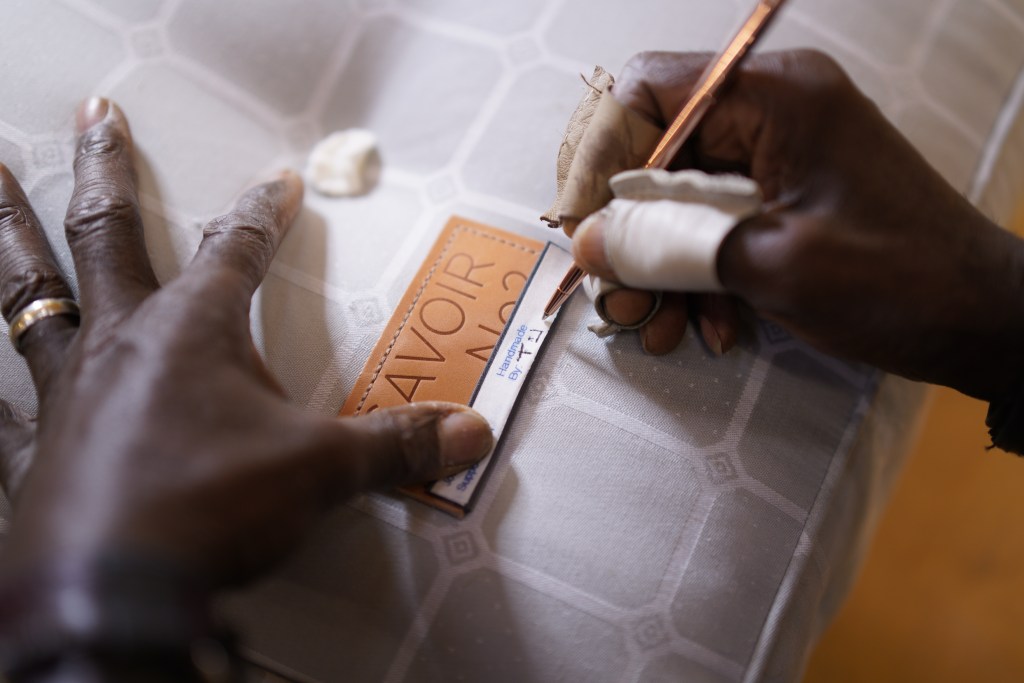
Within the category of ultra-luxury sleep, Savoir is most often discussed in relation to the Swedish house Hästens. We’ve spent nights on both, and both are extraordinary—each, in its own way, a quiet argument for what a bed can be. They command similar premium pricing and rely on similarly elemental materials, yet their philosophies diverge in feel, engineering and customization.
The first divergence is firmness, and it’s one we can confirm directly. A Hästens seems to move beneath you, yielding precisely where the body asks for relief; a Savoir does something that feels almost like the inverse, rising to meet you at the points that need support.
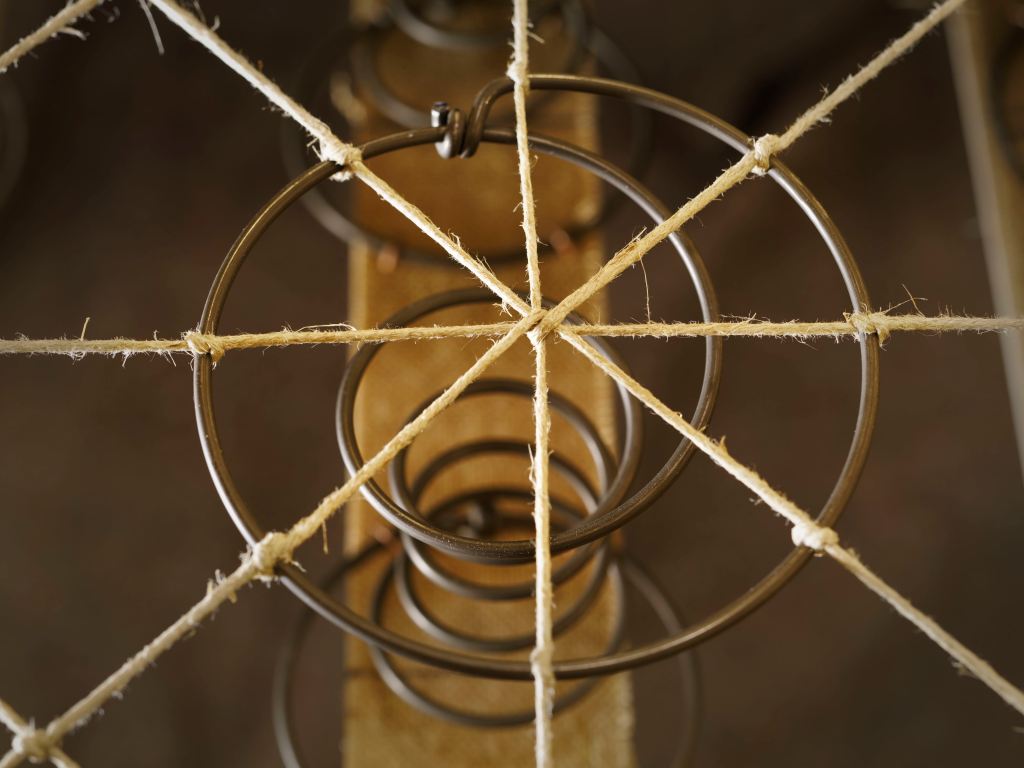
The second is the spring itself—a component most luxury bedmakers outsource. Savoir makes their springs in-house from raw steel. Because the steel is coiled in-house, tension can be tuned with precision—including a center-tie technique that yields a true medium-firm feel for clients who want it.
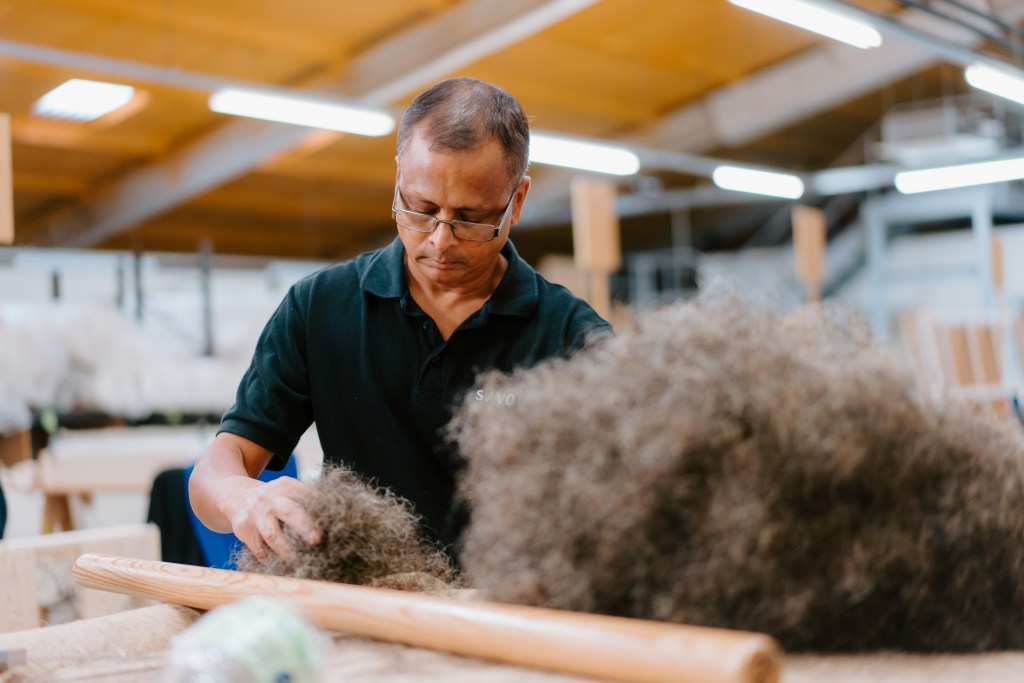
The third is the topper. Savoir’s are layered with loose, hand-teased horse hair, where Hästens favors a denser, quilted construction. Customization extends further still with four different topper options. None of this is to suggest that one brand is better than the other—they’re both incredible—it’s a matter of preference as we all sleep differently.
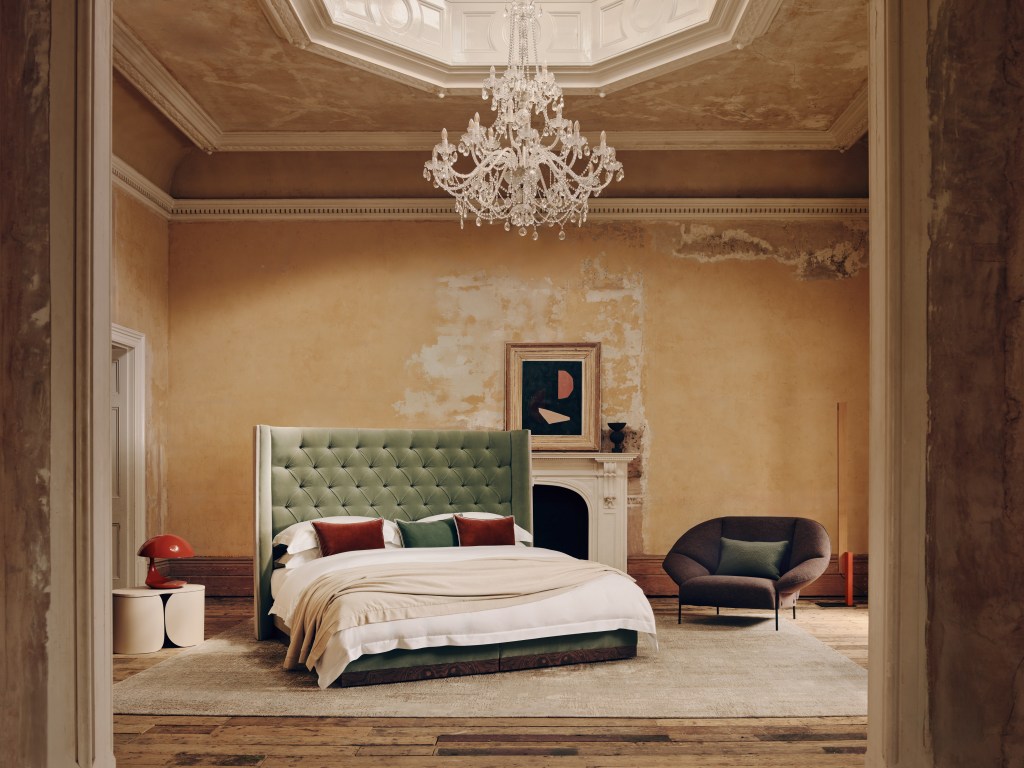
To spend a night on a Savoir bed is to be received by more than a century of British craft tradition—one that has resisted, with admirable stubbornness, every shortcut the modern furniture industry has offered. Whether the setting is the penthouse of The Savoy, a quiet floor at the Greenwich or a private bedroom at home, the conviction is the same: that sleep, properly considered, is less a biological function than a designed and customizable art.





What are your thoughts?