Marcelo Costa’s Obsessive Pursuit of the Perfect T-Shirt through Japanese Craftsmanship
RANDOM/RANDOM uses the world’s rarest cottons while balancing minimalist design with limited-edition photographic artworks that transform simple garments into wearable canvases
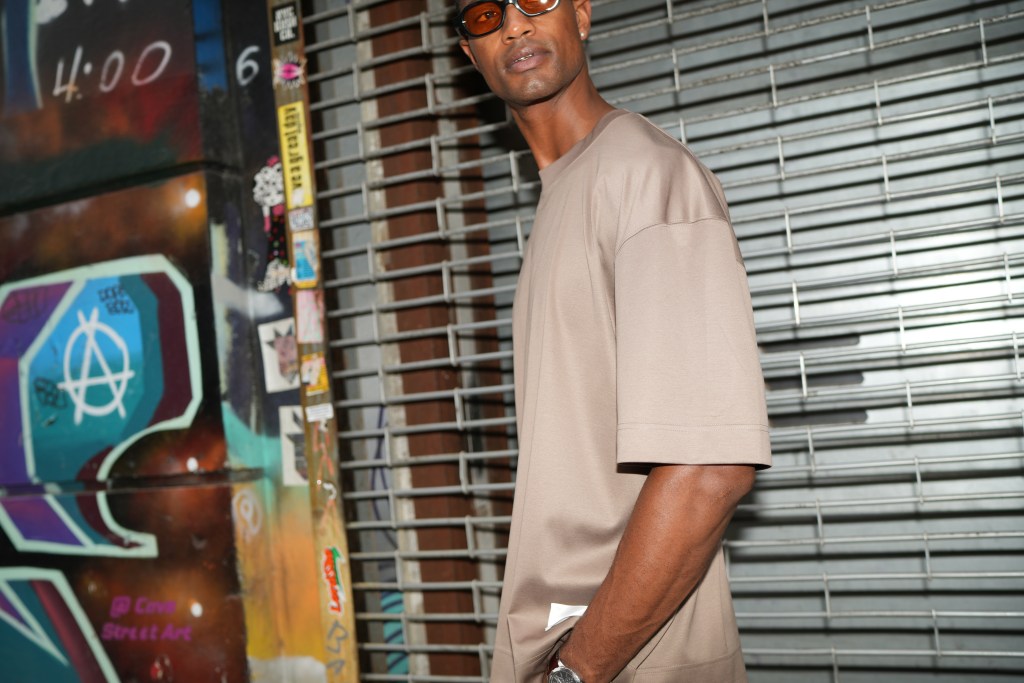
The world does not need another t-shirt brand. At least, that’s the obvious conclusion with an apparel market overflowing with labels promising better fabrics, better fits, better sustainability credentials and better versions of the same essential garment. Yet for Marcelo Pena Costa, founder of New York-based menswear label RANDOM/RANDOM, the t-shirt remains an unfinished design problem.
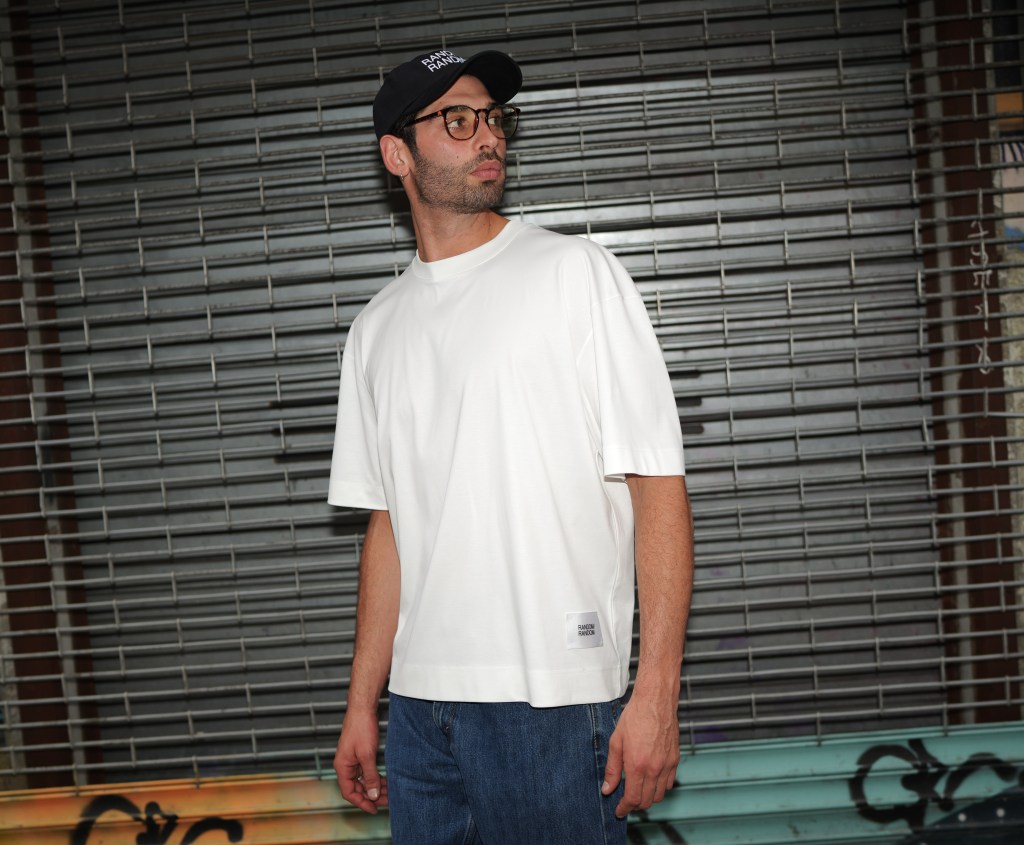
Costa arrives at fashion from an unconventional direction. Over the last 25 years, he has built brands, launched startups and worked across design, advertising and luxury sectors in New York, London and Brazil, including stints at McCann and Well Well. A photographer and creative director by trade, he approaches clothing less as fashion and more as a form of industrial design—an object to be examined, refined and reconsidered through endless iteration. What began as an art project inside his creative studio gradually evolved into a pursuit of what he calls the “perfect blank:” a garment so thoughtfully considered in material, construction and proportion that it could disappear into everyday life while remaining quietly exceptional.
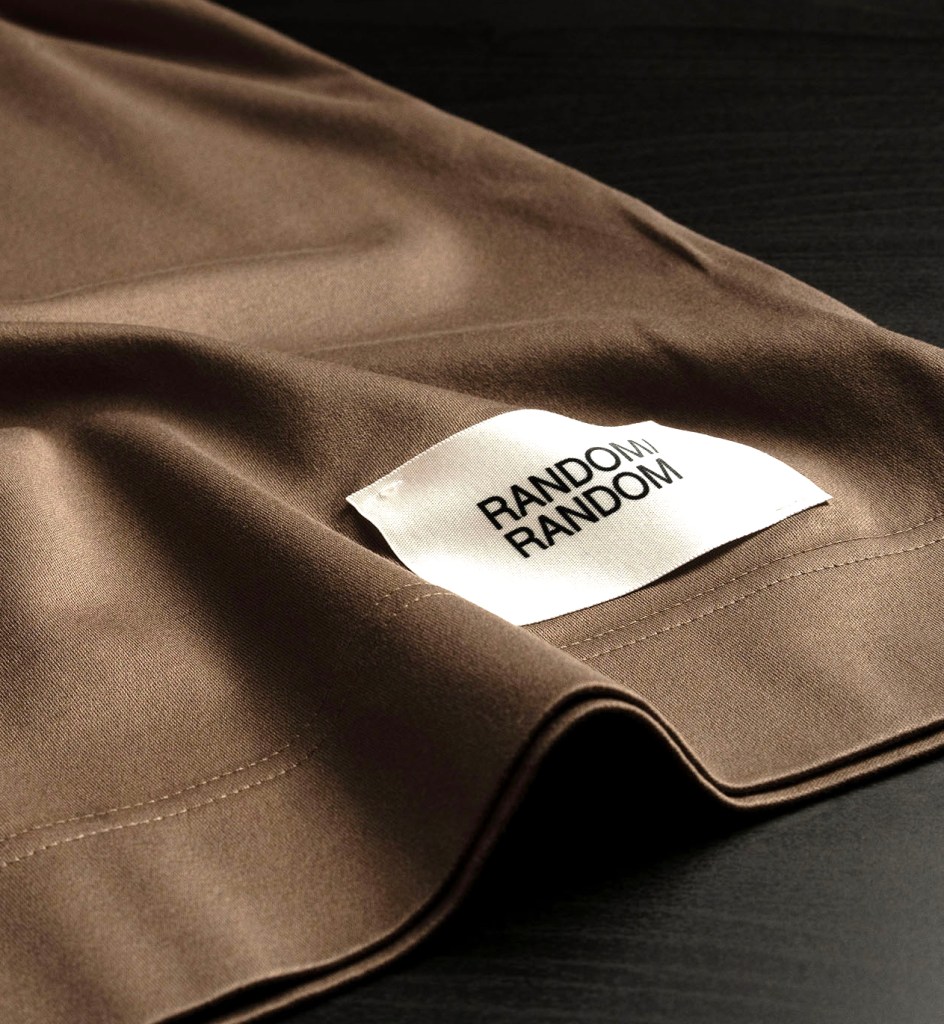
That pursuit eventually led him to Japan. After searching globally for manufacturing partners, Costa found himself drawn to the country’s culture of craftsmanship, where concepts like shokunin—the lifelong mastery of a single craft—and kodawari, an obsessive attention to detail, shape the way products are made. Both concepts stem from Japanese craft vernacular, of course. Today, RANDOM/RANDOM produces its garments in Japan using some of the world’s rarest cottons, including Suvin Platinum, while balancing minimalist design with limited-edition photographic artworks that transform simple garments into wearable canvases.
We spoke with Costa about perfection, permanence, Japanese craftsmanship and why, despite an impossibly crowded marketplace, he believes there is still room for one more T-shirt.
COOL HUNTING: At what point did your pursuit of the “perfect t-shirt” become serious enough to build a brand around?
Marcelo Pena Costa: RANDOM/RANDOM started as an art project within my creative studio, so I would say that from day one the brand was there. Creating brands and building them is what I have been doing for 25 years, since I started my career in design and advertising. Now, I would reorder the factors to say that when I started to have recurrent purchases from people, I realized the pursuit for the perfect garment became not only serious enough, but a necessity. We needed to deliver a garment at the same level of the art printed on it. One elevates the other. I’m really obsessed with making things with excellence, so it was only a natural path that followed.
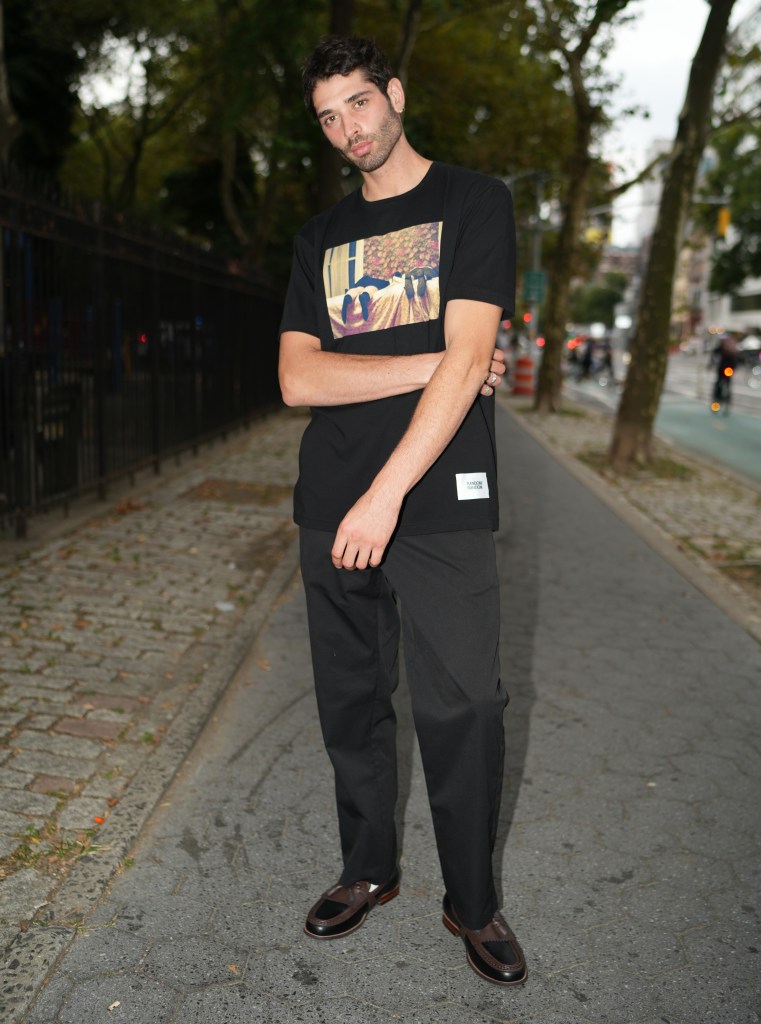
CH: After years working across creative agencies, startups, and luxury brands, what did you feel was missing from menswear?
MPC: Elevated pieces that you can wear anytime. Garments you can wear confidently in any occasion: an important celebration, an important meeting, etc. My goal is to resignify t-shirts and similar pieces. We want to go deeper into why these garments exist and allow people to style them in different ways. Fashion in my view has two purposes: functionality, that has to do with protection for our bodies, and self-confidence and expression. One cannot live without the other.
CH: RANDOM/RANDOM talks a lot about permanence and restraint. What do those ideas mean to you personally?
MPC: Conceptually RANDOM/RANDOM is about this juxtaposition of permanence and impermanence. The first is about making things that last longer. Personally, it’s a necessity. We as humankind have just been producing so many things. We need to make less things that last longer. This is not a luxury or a marketing angle. This is our obligation as a functioning society.
CH: You describe the garments as “wearable blank canvases.” What makes simplicity so compelling to you?
MPC: I grew up in Brasília, Brazil, the modernist city designed by Oscar Niemeyer. Everyone who is a fan of architecture knows that it’s one of the good examples of minimalistic design. Later I trained as a designer in London, studying typography, with a big influence of the Swiss design school. Also minimalistic and pragmatic. For me the same principles apply to fashion and clothing. I believe you can have character in small and less overt details.
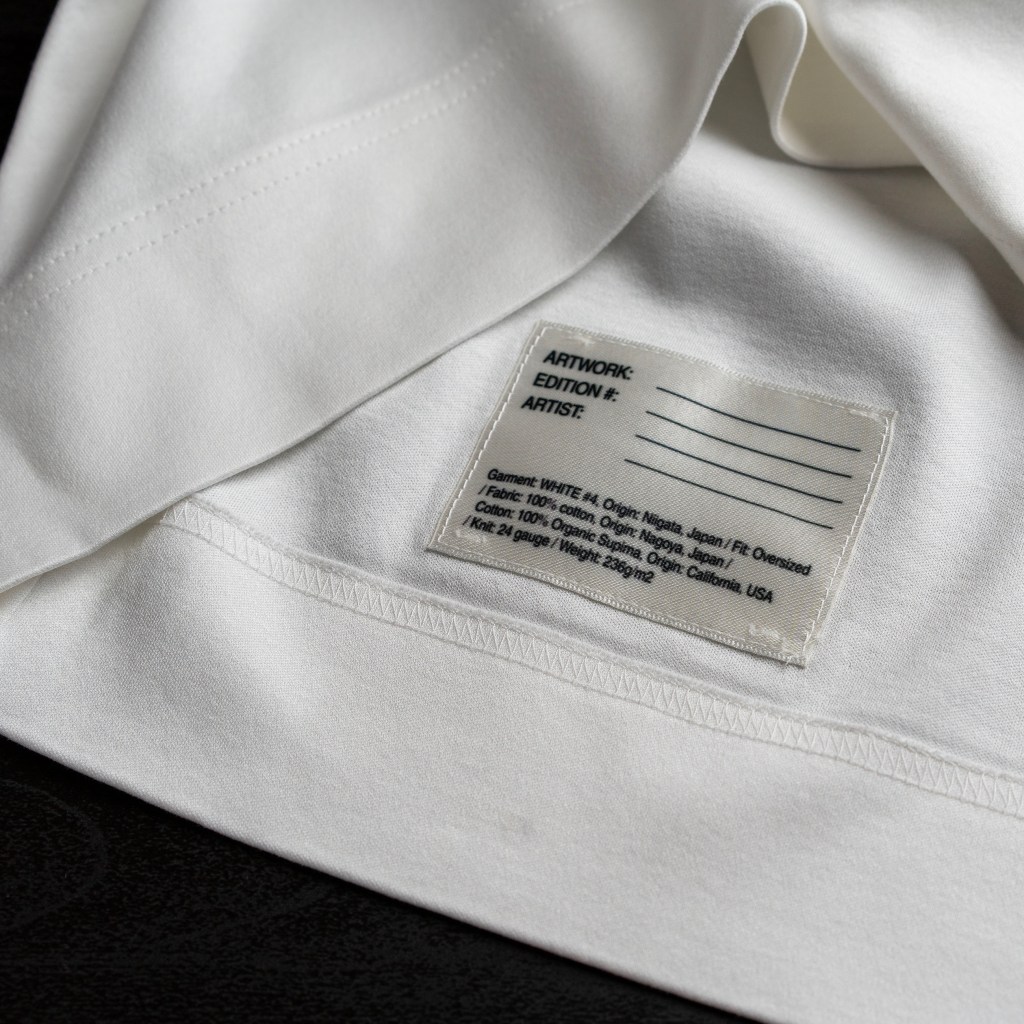
CH: Why was manufacturing in Japan such an essential part of RANDOM/RANDOM from the beginning?
MPC: I went everywhere to find the right manufacturer. Portugal, Vietnam, US, China, Brazil, etc. All these places have fantastic manufacturing capabilities. Japan is above all though. We could not find the quality in materials and craft that we found there. So again, we needed to find simply the perfect canvas and attention to detail to be the perfect medium for the art we wanted to portray.
CH: What initially drew you to rare cottons like Suvin Platinum?
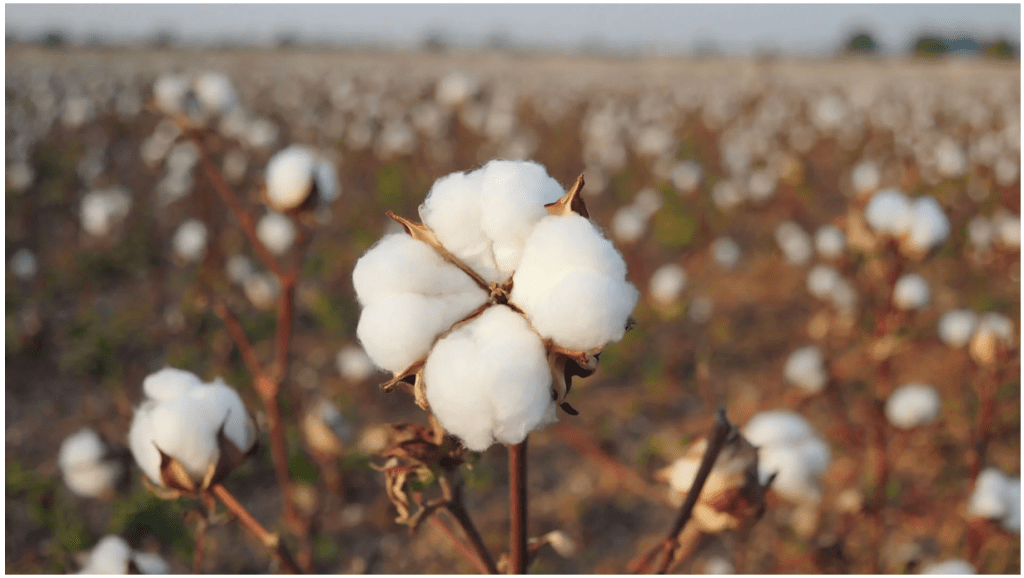
MPC: I’ll be honest here. When we start a collection, everything starts by going through swatches of fabrics. It’s about the touch, everything else comes after. Suvin is this incredible cotton that has such a distinct and unique texture that when you touch it, it’s impossible not to say, “Wow, what is this?” I realized later that it was the perfect material to print, because of its physical properties and density. The fabric we use, made with Suvin cotton, is 32-gauge, which means it’s dense enough for direct-to-garment printing. I learned that the Japanese are experts in searching for the best cotton yarns out there and specialists in extra-long staple cottons—that’s the fiber length. The longer the fiber, the more refined and smooth the cotton will be. Suvin was the first, but we also have organic Supima from California and Arizona, Giza from Egypt, Australian extra-long staple and Sea Island cotton. All ultra-luxe.
CH: The collection includes different weights, textures, and silhouettes. What details do you obsess over most when developing a t-shirt?
MPC: Like I said, the touch comes first, then finding the appropriate fabric and weight for each occasion or weather. Then the cut, the silhouette which will determine the style we want to portray with our garments. Finally, I’m extremely obsessed with construction, the type of seams we’re using, the measurements of each part of the garment, such as hem, neck lines, etc. All those light details will give the garment its character.

CH: What did working with Japanese mills and factories teach you about craftsmanship and precision?
MPC: This is an interesting one. There are two things in Japanese culture that I’m mostly attracted to: shokunin and kodawari, which are respectively a master in one specific craft and their relentless pursuit of perfection. It is a pure commitment to the highest perfection in anything you do. You can be shokunin making sushi or making t-shirts. There’s Jiro Ono, famous owner and chef at Sukiyabashi Jiro, who is 90 years old and has been making sushi for 50 years now. He still thinks he hasn’t achieved his peak yet. That’s a shokunin right there. Humbly speaking, we want to do the same for t-shirts and garments. I was in Japan last year and asked one of our partners why Japanese are famous for perfection. He simply said that communication is the key to achieving perfection. So there is also this other very pragmatic side of Japanese culture and way of making things.
CH: The Neal Slavin collaboration feels especially aligned with the brand’s philosophy. How did that partnership come about?
MPC: Neal is a friend. My daughter was his intern. When we had the idea to create RANDOM/RANDOM he was probably the first photographer that I reached out to. He’s also based in SoHo and his work is timeless. Neal is truly a master. It was all very fluid and natural. As much as photographs are staged, Neal is a master at capturing the exact right moment and letting randomness breathe. I showed him some of the other photos I had from my archives and everything clicked immediately.
CH: What’s next for RANDOM/RANDOM, both creatively and regarding the brand’s future expansion plans?
MPC: The first thing is our shop in Nolita on Mott Street opening in October. That will be our home, and everyone is invited. We plan a lot of events there. The shop will be another physical expression of the brand and its philosophy. I’m also super excited about a few new designs we’re launching this Fall and Spring 2027. They will include incredible blends of cotton, cashmere and silk, both for t-shirts and sweatshirts. We will go even deeper using incredible materials. From 2027 and beyond, we also see a natural expansion to Europe, first with pop-ups and then eventually opening a second shop there. I’m very excited about what’s next and cannot wait to see how RANDOM/RANDOM will materialize in many different ways.




What are your thoughts?