Apple Watch Series 12 Returns to Ceramic, Fired Three Times Over
Zirconia cases pressed at 21,000 psi bring a pearlescent finish and a rebuilt sensor array samples the body every five seconds

Apple Watch Series 12 brings back ceramic for the first time since Series 5 in 2019, in Pearl White and Night Blue cases that pass through three separate heat treatments before diamond-tipped tools give them their final shape. On the backside of all Series 12 models, a rebuilt Health Sensing System reads heart rate every five seconds, where previous models sampled every five minutes outside of workouts. This updated data density underwrites a new daily readiness score, among other features. Apple Watch Ultra 4 carries the same new sensors inside its familiar titanium case. We’ve spent the past week testing both ahead of in-store availability on 18 September 2026.
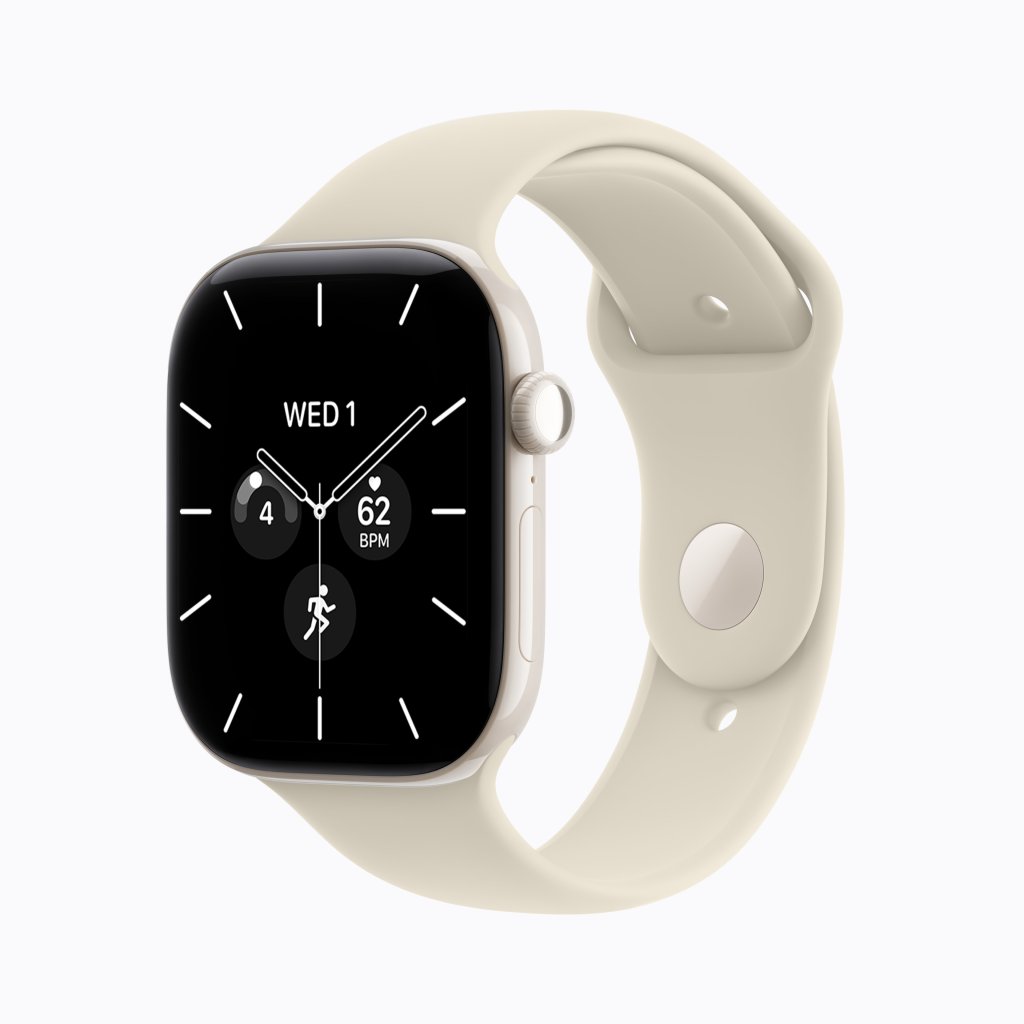
Of the models we wore this week, the ceramic case held our attention longest, and the the fact that it’s made with a process quite similar to high-end Swiss horology explains why. Apple begins with zirconia powder, pink for Pearl White and gray for Night Blue, pressed into a mold while still soft enough to machine the band slots, release buttons and Digital Crown opening. A 700°C heat soak, which Apple calls, with some understatement, low temperature, burns away the binders and shrinks the case to its final proportions. A second stage at 1,400°C and more than 21,000 psi purges impurities and hardens the material while stripping out so much oxygen that the color shifts. A third soak at 1,100°C floods the ceramic with oxygen again to coax out the intended hues. The hardened result demands diamond-encrusted tools for final shaping, followed by a six-step polish. Apple credits the process with a pearlescence the Series 5 edition never captured.
A revised glass geometry extends farther down the sides of all Series 12 models, leaving less of the case visible from above which is a significant visual streamlining over the previous ceramic Watch. The ceramic model measures 9.85mm thick but runs a millimeter taller and wider than its aluminum and titanium siblings, and the 46mm Pearl White weighs 51.3 grams against 39.5 in aluminum. Each arrives with a sand or navy Sport Band fastened by a ceramic pin, from $899.
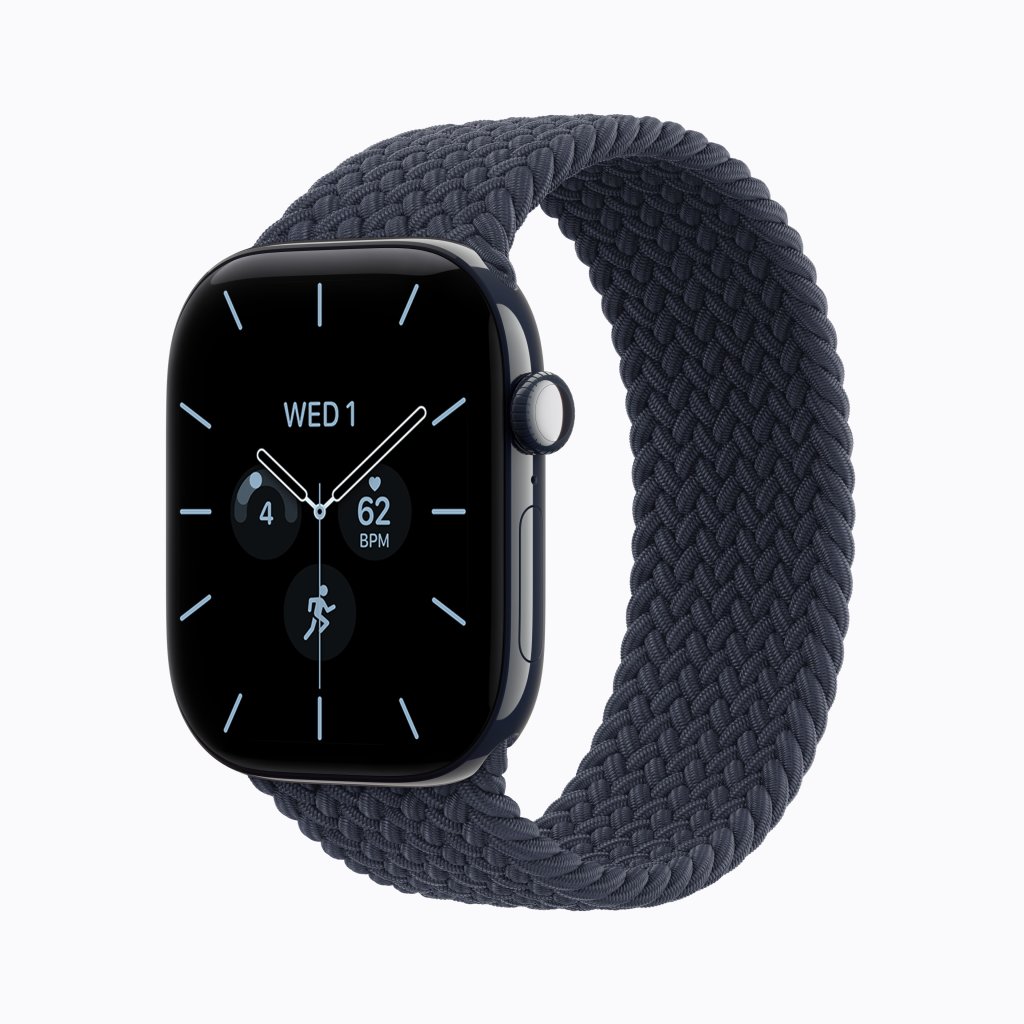
The Night Blue unit we tested reads subtly in ordinary settings, its tone drifting with whatever surrounds it. A navy band pulls it toward true blue, a black Sport Band draws it a shade darker and even the clothing nearby nudges its hue. Under bright light it opens up entirely, revealing a depth and sparkle unlike any Apple Watch finish we’ve encountered.

Ultra 4 gets a material update for its bands. The new Translucent Ocean Bands—available in kelp or grey—are noticeably softer and more comfortable than earlier Ocean Bands, and their translucence lends an ethereal quality to an otherwise rugged watch.
Flip either model over and the sensor changes are clear. The ring of electrodes that reads the heart’s electrical rhythm during an ECG has multiplied from two to 32, covering roughly 24% more of the wrist. The optical sensor, which pulses light into the skin and measures how much returns as blood swells and recedes with each beat, now isolates larger, more efficient green LEDs in a dedicated window. Four square photodiodes have given way to a ring of eight that catches reflected light from every angle. Over the array sits a zirconia cover, fired in the same high-pressure chamber as the ceramic cases, that fuses opaque and crystal-clear layers into a robust single piece.
The five-second stream runs on the chip’s always-on processor, so the watch recognizes effort sooner and the elevated pulse of brief household chores now earns calorie and exercise credit. Heart rate variability (HRV), the shifting interval between beats that signals stress and recovery, is captured up to 24 times more often.
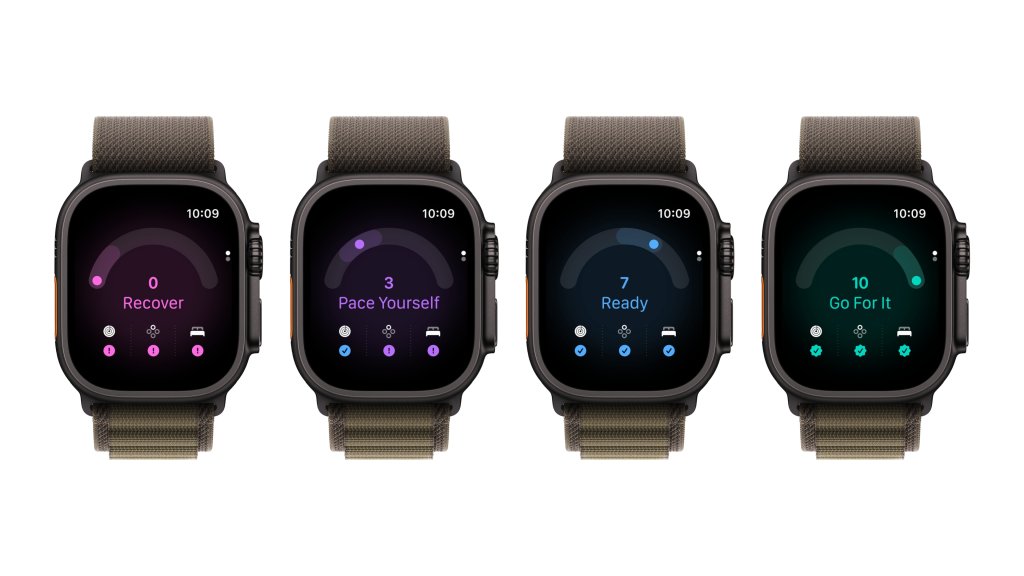
That HRV data powers Readiness, a 0–10 score that weighs activity, training load, vitals and sleep against a wearer’s own recent history and returns a verdict ranging from “Recover” to “Go For It.” Each contributing factor is spelled out, so a dip traced to elevated wrist temperature reads as a nudge rather than a riddle. Daytime wear offers plenty on its own: new heart rate and step complications put a stair climb on the watch face, and daytime vitals flag readings that drift outside a typical personal range. Readiness is exclusive to the new models and needs seven nights of overnight data.
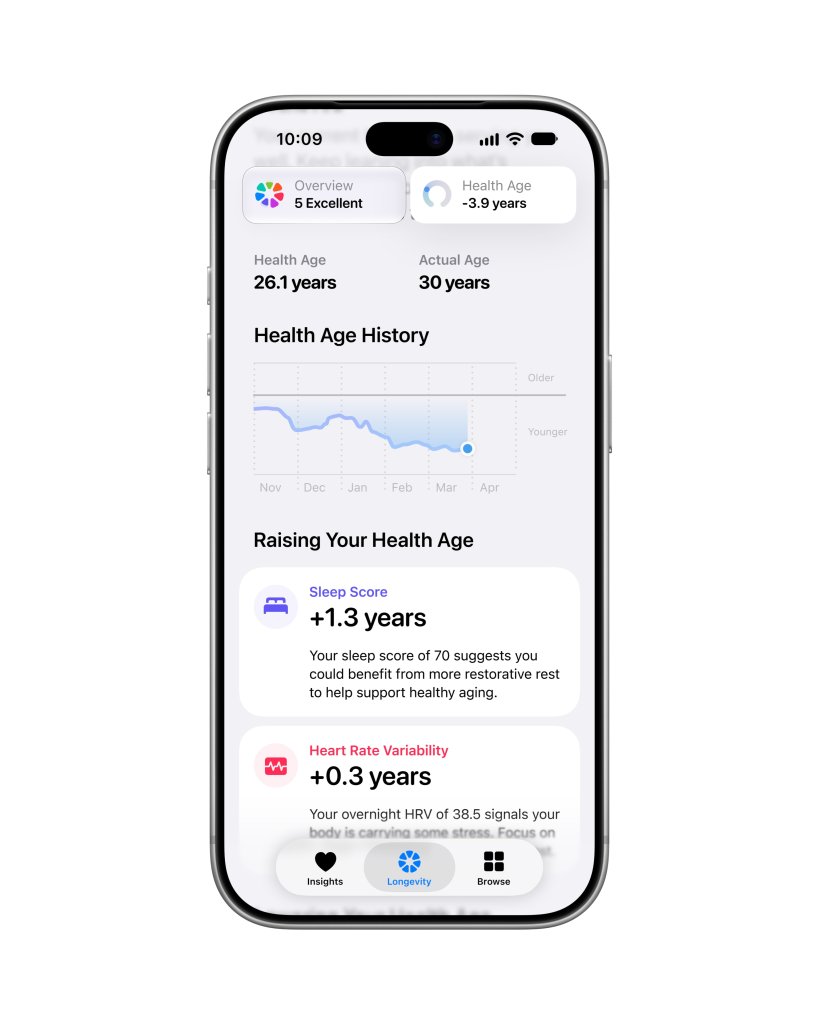
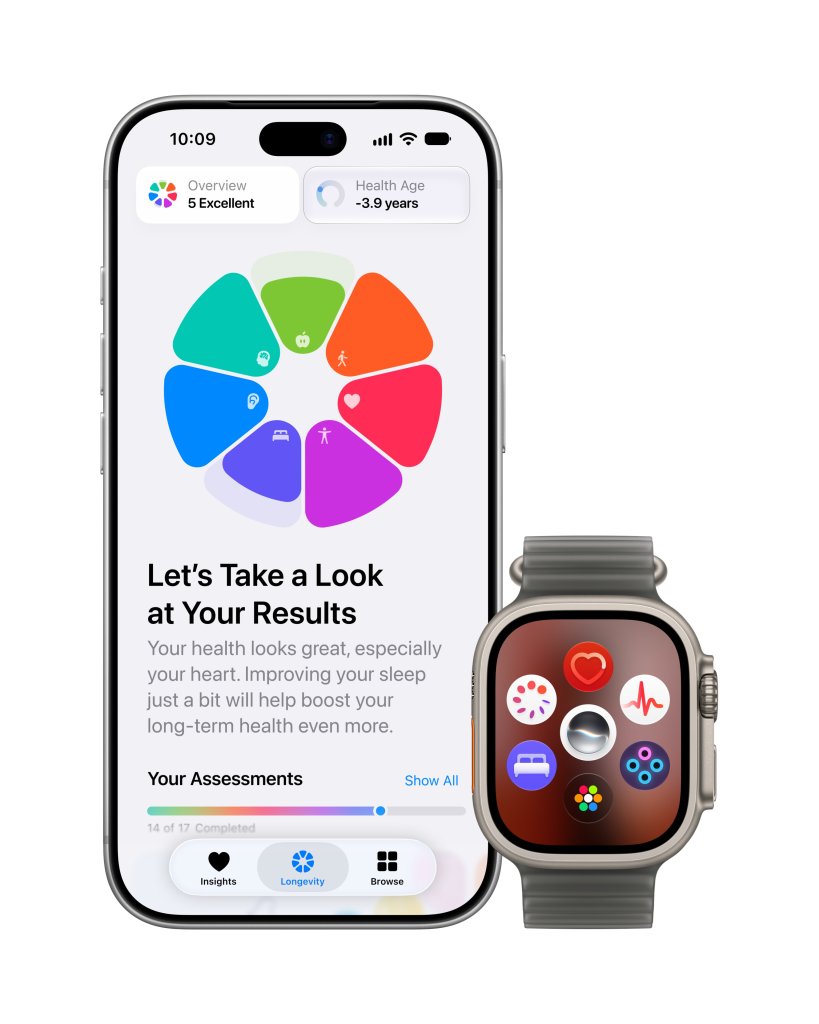
Watch data flows into a redesigned Health app, available in the latest iOS 27 beta. An Insights tab gathers the day’s metrics into tiles that reorder as the hours pass. The more ambitious Longevity tab assesses eight areas of wellbeing that include heart, metabolic, mental and hearing health, sleep, nutrition and mobility, rating each from excellent to needs attention using watch sensors, third-party devices, clinical records and brief surveys. Health Age distills it all into a comparison between chronological age and a figure derived from resting heart rate, VO2 max, steps and exercise minutes, weighted by clinical guidance on what most influences lifespan. With the data it has on me, I’m 2.6 years younger than my age making me a forty-something once again.






What are your thoughts?