Innovate or Die, But Don’t Trust the Robot Yet
As travelers hand their itineraries to AI, Rob DelliBovi is wagering his new host agency on everything a machine can’t reach

Take Rob DelliBovi to the most beautiful vista on Earth and you’ll get about thirty seconds of his attention. “Weird, but I dislike the outdoors. You can take me to the most beautiful scenery in the world, and I’m good for a quick pic, a ‘wow,’ and then I’m done with it,” he said. It’s a strange thing to admit when your career is built on sending people to gorgeous places, but in his telling that’s the whole point, because that same view might be the single best moment of someone else’s trip. “It’s in the eyes of the beholder, and a travel advisor is best to make that connection,” he said.

DelliBovi has spent two decades on the operator’s side of travel. His company, RDB Hospitality Group, has managed acclaimed hotels, run a full-service accredited agency and advised on more than 140 properties around the world. Now he’s launching a host agency platform, the idea being to hand independent travel advisors the infrastructure, credentials and supplier relationships they need to run their own businesses, without building the back end from scratch. Host agencies aren’t new, but he thinks the timing is finally right for the version he has in mind.
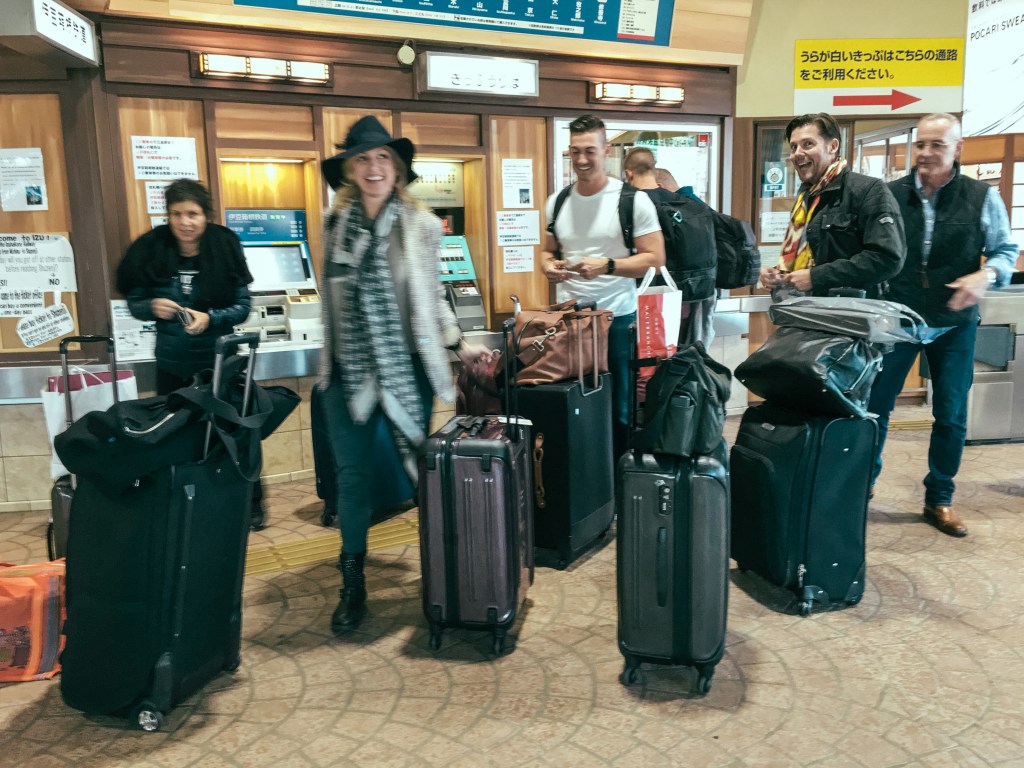
The obvious question in 2026 is why a human advisor should exist at all when anyone can ask an AI to build an itinerary in the time it takes to pour a coffee. DelliBovi has clearly considered that question: “Human advisors are the experts, they know the real answers and they work based on histories and experience. Apps and AI are great research tools, but they need to be translated into real life thoughts and itineraries. We are ‘innovate or die’ believers here, so we would never speak poorly about new powerful tech, but we also understand that the human conjugation of this info is wildly important.” Advisors are trained on AI strategy, and they lean on it for the research phase, for the how-do-I-get-from-A-to-B questions, for the grunt work.

Where he draws the line is dependence. “We’re all believers in AI, but we’re still in AI 1.0, so honestly speaking, it’s often flat-out wrong at this point,” he said. “We believe it’ll get better, but we’re not there yet, and no one should depend on it solely to make the best of their experience.” His sharper worry is less about accuracy than taste. There are, he noted, plenty of cheap uses of AI being passed around, and he reached for a comparison anyone who lived through the last hype cycle will recognize, likening it to NFTs and blockchain. “AI is being used in great ways, and really cheap ways,” he said, “and a lot of consumers can’t tell the difference.” A lot of what passes for AI trip planning right now amounts to “pulling from Reddit,” which he doesn’t consider the best expertise to enjoy.
Human advisors are the experts, they know the real answers and they work based on histories and experience. Apps and AI are great research tools, but they need to be translated into real life thoughts and itineraries.
Rob DelliBovi
To DelliBovi, the job was never about information. “Simply put, humans can score things that tech doesn’t have its hands on,” he said. “The relationship factor will never lose to tech. And certain tech factors will never lose to a human action. We’re not taking sides here; each has their place.” The whole pitch to clients, he said, is access they can’t get on their own. “We won’t give away all secrets, but there are many amazing ways we do this. From knowing a huge name that no one else knows, to simply knowing how to finagle—that’s our thing.”

The most telling secret has everything to do with the part of the job that happens after everything is supposedly finished. Call it advance work. Your trip is confirmed; the itinerary is sent. “The ‘triple-check’ 48 hours before travel is huge,” he said. “Not only does it warn, catch and eliminate any problems, mistakes or adverse travel conditions, it’s also an amazing chance to add more value. Beg for that upgrade, remind the vendor teams who’s coming. We have an advance manager who does this all day, everyday and it makes an enormous difference.”
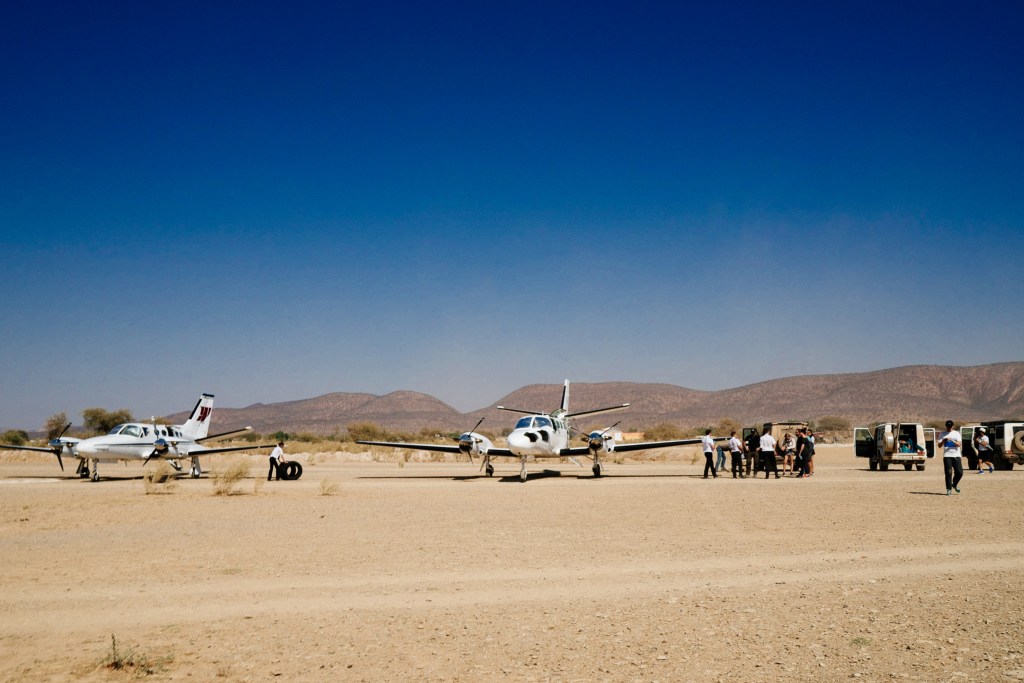
His read on why the human advisor is quietly coming back is almost philosophical. “People go into a trip understanding, ‘OK, 10 things are going to go wrong, I’m in for a tough commute to end up wherever I’m going, but this trip will be fun once all is settled,’ and they want to mitigate that,” he said. “They know that human advisors provide a better chance of doing so.” He’s not pretending travel is easy. They’re not wrong, he added; it’s tough but worth it.

That impulse is also the thesis behind the platform. DelliBovi built it after sitting through the host-agency experience. “No one was going the extra mile or trying to build their IC [independent contractor] agent’s revenues,” he said. “It was a bit ‘turn and burn.'” His pitch to advisors is the same one he makes to travelers: specialize, build relationships, do the advance work. If you’re an expert on rural Croatia, he said, and he wants you, not just for clients but to make every other advisor in the building sharper.
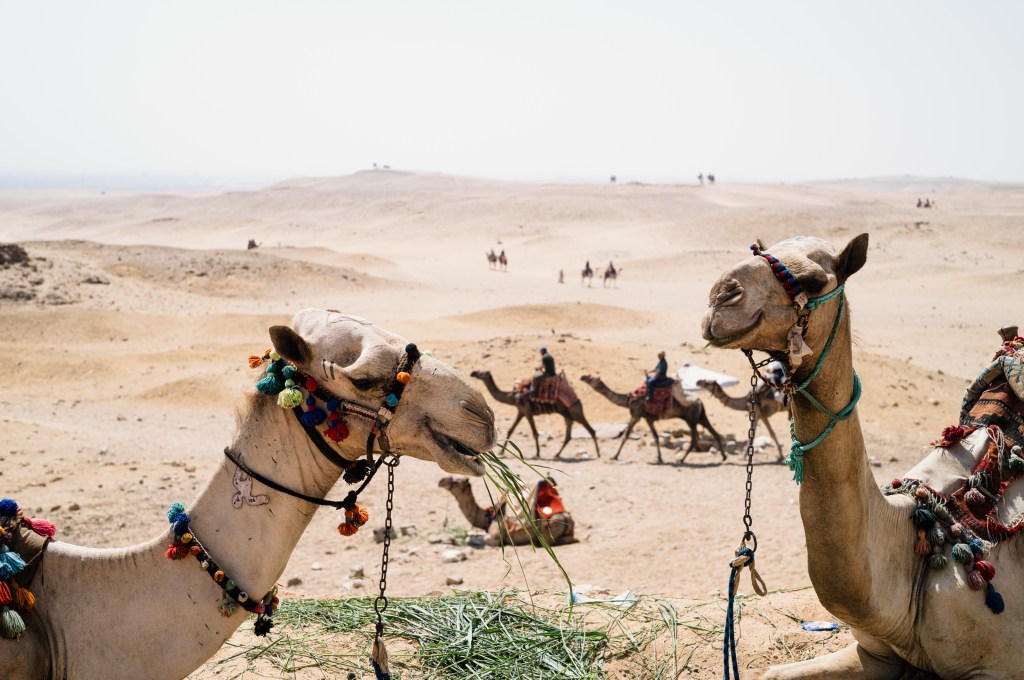
For all the disruption, the traveler hasn’t changed. “Nothing has shifted in how people want travel,” he said. “They want what they want, and many think AI will solve that problem. We know it takes more: training, relationships, advance, the extra mile (or 10).”




What are your thoughts?