iPhone 18 Pro Camera: Depth of Field and Depth of Proof
With a physical aperture and cryptographically signed Reference Images, Apple rethinks both how a phone photograph looks and how it proves itself real
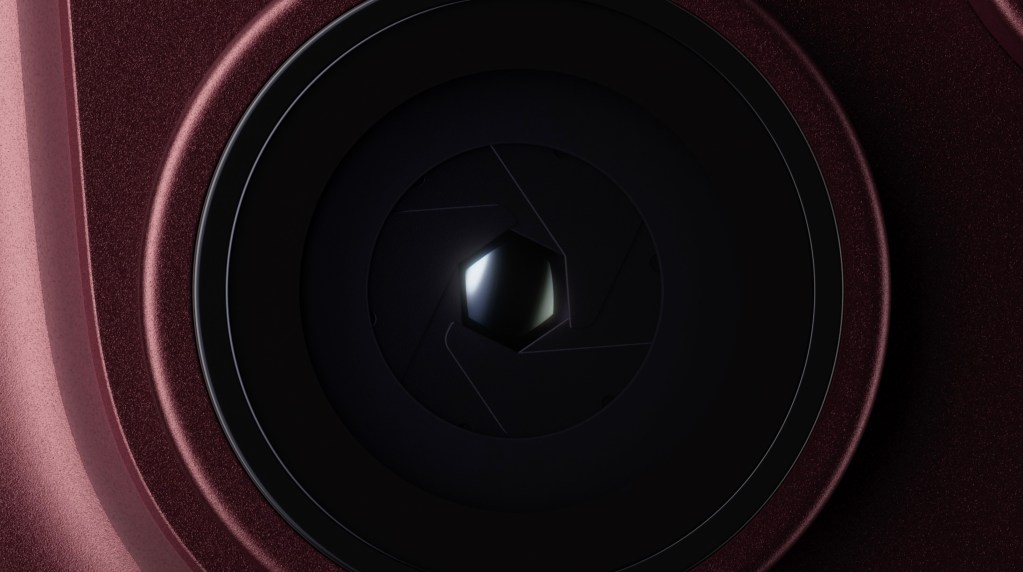
With the iPhone 18 Pro and Pro Max, Apple has fitted one of its cameras with a mechanical variable aperture for the first time. Six laser-cut blades on the new 48MP Fusion Main camera move between f/1.48, f/1.8, f/2.8 and f/4.0. Apple says each blade is thinner than a human hair. The setting can be left to iOS or set by hand through a new Pro controls interface that also offers shutter speed, white balance and a histogram. Apple has also added Reference Image, an opt-in mode that preserves a signed and unalterable record of what the sensor saw, along with the 2nm A20 Pro chip, a smaller Dynamic Island and longer battery life. The result is a phone camera that is one step closer to handling light the way a big camera does. We’ve been shooting with the new Pro cameras since last week’s announcement, and their evolution is impressive. Putting moving parts inside a phone lens marks a genuine turning point, and in daily use the benefits are clear. The Pro starts at $1,199 and the Pro Max at $1,299, and both arrive 18 September 2026.
Most people will never touch the aperture setting, though, and Apple has designed for that. In dim rooms the lens opens to f/1.48, wider than the fixed f/1.78 of the iPhone 17 Pro. With a moving subject in moderate light it also opens wide so the shutter can freeze the motion, and for a group of people at staggered distances it closes toward f/4 to keep everyone sharp. The metadata on our test frames showed the aperture shifting from shot to shot as the camera read each scene.
Pro controls hand exposure decisions back to the photographer. The configurable row above the viewfinder, familiar from toggling flash or Live Photos, can now hold live icons showing current f-stop and shutter speed, and tapping either opens a controller along the bottom of the frame. Shutter speed is adjustable in the native Camera app for the first time, with exposures up to a full second. ISO always sets itself, so fixing aperture or shutter prompts the other value and ISO to compensate, while setting both by hand gives more creative control. These functions all apply to video as well.
App developers get more latitude still. Apple’s APIs give third-party apps manual control over all three sides of the exposure triangle—aperture, shutter speed and ISO—along with the automatic aperture behavior and intermediate stops anywhere between f/1.48 and f/4.0. Blackmagic Camera had early access and is among the first adopters, with a focus on video.
Stopping down not only reduces the amount of light hitting the sensor and increases the range of what’s in focus, it also changes how points of light render. Light diffracting around the six-blade iris turns streetlamps and glinting earrings into six-pointed stars at f/4.0, an optical effect the fixed round openings of earlier iPhones couldn’t produce.
Photographic Styles now add texture controls for skin, glow and film grain. The system applies them semantically, treating skin differently from clothing or background, and every adjustment stays non-destructive so it can be reversed at any time. The grain pattern is Apple’s own. Its engineers studied how the dye clouds in developed color film clump together, and as in film, the grain gathers in the midtones and thins out in highlights and shadows—a behavior we noticed in our edits before Apple explained it. Texture controls are exclusive to iPhone 18 Pro.
Every main-camera video clip now records depth, so Cinematic focus effects can be applied afterward to footage shot at up to 60 fps. Audio Mix now isolates music as well as voices, and Time-lapse records in 4K Dolby Vision HDR with an adaptive mode that lingers on action and speeds through the lulls.
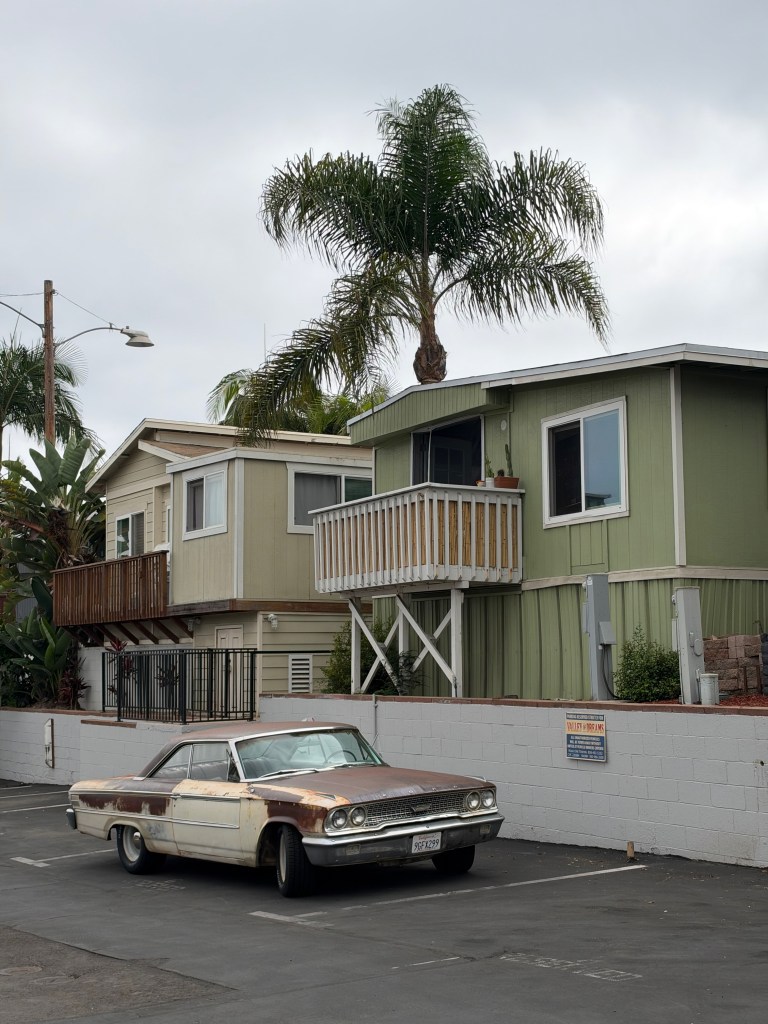


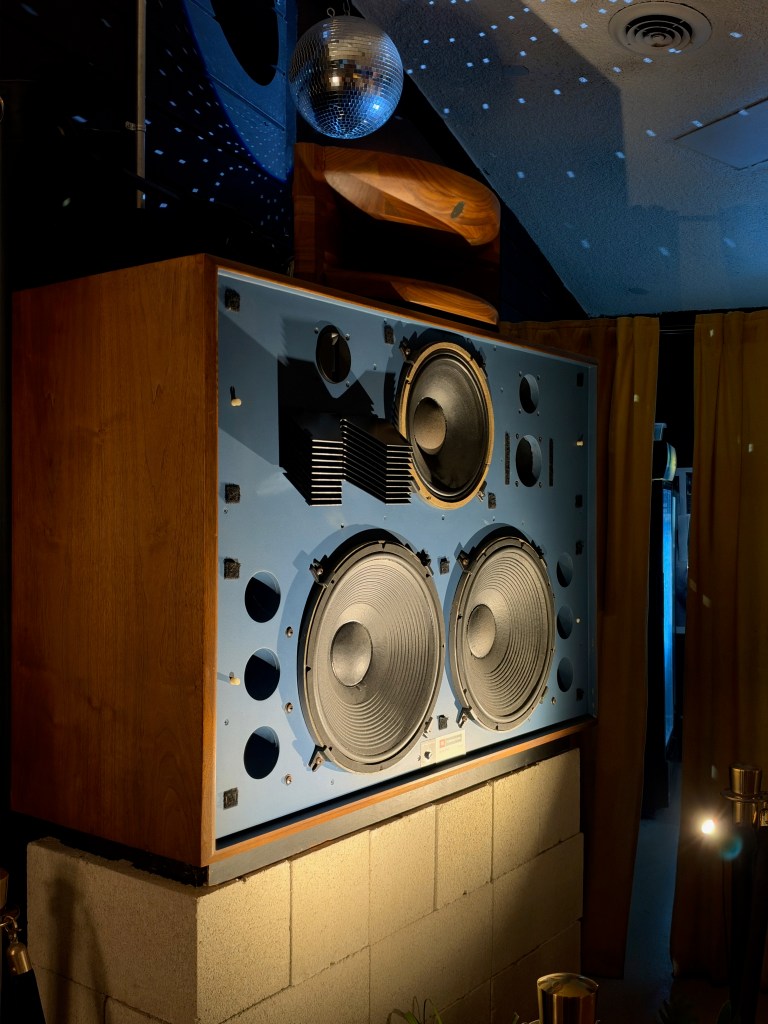
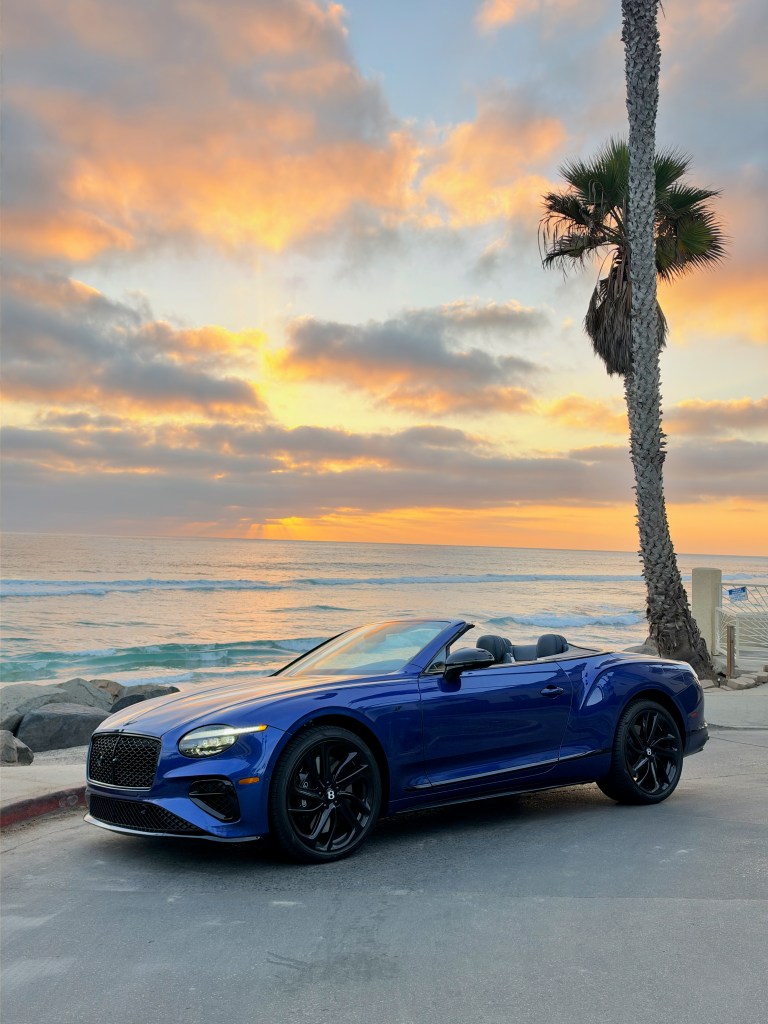
Reference Image is a more obscure feature with the greatest importance these days. In Reference mode, the sensor signs its pixel output before the data leaves the chip. Apple’s Private Cloud Compute servers then develop that data into an unalterable reference image that sits beside the working photo in the Photos app, the way a negative sits beside a print. Most authenticity efforts label what has been manipulated, and Apple is tackling the other half of the problem by proving an image is real. The C2PA standard behind Adobe’s Content Credentials records who touched a file afterward and logs their changes. Apple says the two are compatible and together form a chain of custody. The mode is opt-in, unavailable in China at launch and limited to viewing in the EU at first.
Under the glass, Apple rebuilt the phone’s cooling from the chip outward. The 2-nanometer A20 Pro renders graphics at rates up to 40 percent faster than last year’s and a pair of 16-core Neural Engines power on-device AI and computational photography. The bigger change is physical. Memory used to sit on top of the processor, trapping heat like a blanket. Borrowing a layout from Apple’s Mac chips, it now sits alongside, freeing the chip to press directly against a vapor chamber, a sealed sheet in which water evaporates off hot spots and condenses in cooler regions. That chamber covers three times last year’s area, and a layer of nanotwin copper in the display, a metal engineered at the nanoscale, spreads heat before it reaches the fingertips. Phones throttle when they run hot, and that slowdown is can compromise a long shoot or an ambitious edit. Apple says the 18 Pro sustains 40 percent more performance under prolonged load than the 17 Pro.
The exterior has barely changed beyond a new burgundy finish. The Dynamic Island shrank because Face ID’s infrared camera now sits behind the screen, where half the pixels are removed to let light through and the rest are driven at twice the brightness to mask the difference. The reclaimed space holds three Live Activities at once, up from two. By Apple’s new measure of battery life, based on its median user’s habits, the Pro lasts up to 24 hours of typical use and the Pro Max up to 30. The Pro also charges to 50 percent in about 15 minutes with a 60W-capable adapter.
One of iOS 27’s lesser hyped additions matters most when the 18 Pro is paired with more novel devices like the iPhone Air or the iPhone Duo, Apple’s first foldable, which we’ll review closer to its 23 October 2026 launch. iPhone Handoff lets one phone number follow its owner between two iPhones: unlock one and the number moves to it. It runs on any iPhone that supports iOS 27, with carrier support starting at T-Mobile in the US and Telekom in Germany. In our first hands-on time, the Duo’s two rear cameras didn’t match the Pro’s three. For the fortunate few who own both, the $1,999 foldable can serve as the screen for reading, editing, viewing photos and videos and presentations while the 18 Pro remains the camera, and picking up the Pro for a shoot no longer means leaving connectivity behind. In our initial testing with an iPhone Air and the new 18 Pro, Handoff worked flawlessly.
Variable aperture gives the 18 Pro depth of field, and Reference Image gives it depth of proof. One changes how a photograph looks, and the other establishes what it can be trusted to show. A decade from now, the second may matter more.



What are your thoughts?