Dometic Makes Coolers—and Everything Else—By Obsessing About Minute Details
From car camping gear, portable batteries, electric coolers and more, Dometic’s innovative and modular products are designed for energy efficiency and ease of use
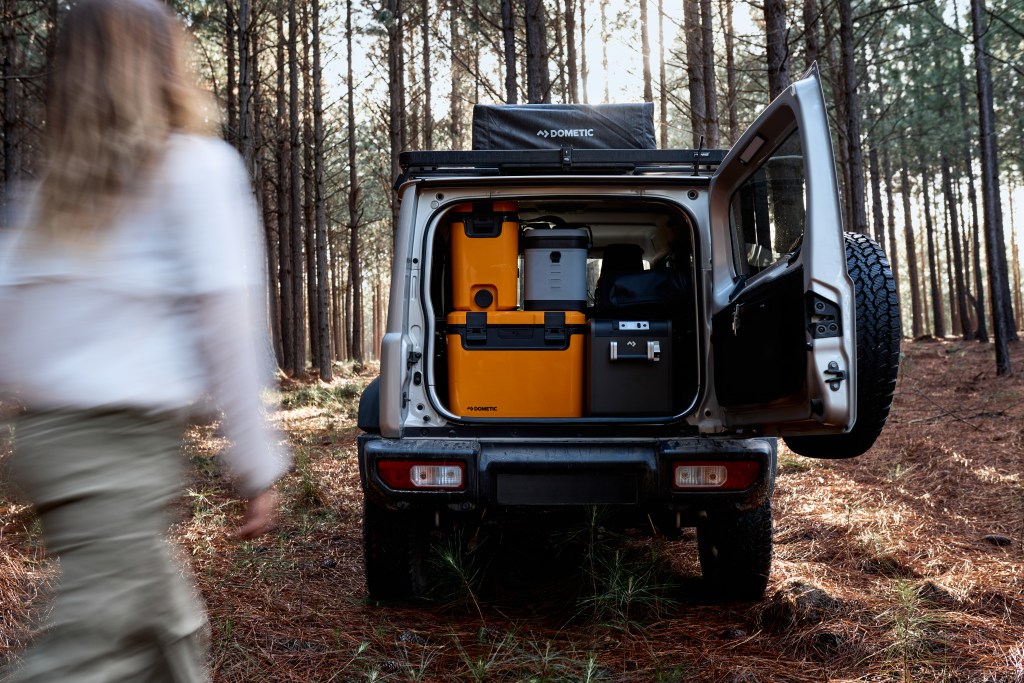
You know Dometic even if you don’t think you do. Practically every shot of overlanding you’ve ever seen probably has a Dometic product in it, whether that’s a cooler or pop-up rooftop tent, a headlamp, a stove or some other contraption. Dometic is “the” game in overlanding, with over 35,000 products. Ask your average overlanding person where the company is based, though, and they’ll likely say their own country. Unless they’re Swedish, they’d be incorrect.

Dometic is massive in the scene in Australia and North America, but its roots go back to the 1920s when two engineers at college in Stockholm invented something unheard of at the time: the world’s first refrigerator. Their company was originally called Arctic (acquired by Electrolux), but the ethos of invention is truly still in Dometic’s blood. As is refrigeration. And the original thinking used by Arctic is still what’s behind their modern CFX-powered coolers, explains Christian Zachrich, Senior Industrial Designer at the brand.
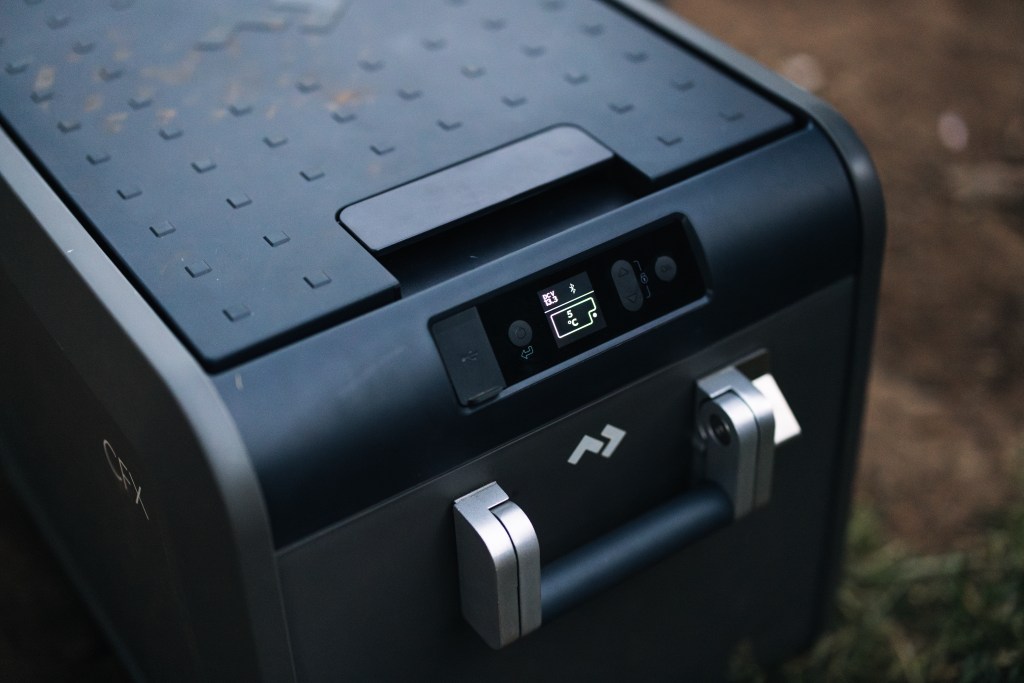
While testing a whole bunch of Dometic’s wares during a recent climbing trip in the California desert, we noticed that the CFX cooler made absolutely no noise. Other than by spying the digital readout, which tells you the internal temperature so you don’t waste energy by opening and closing it, the cooler is dead quiet. “There’s cases where you’re living out of your car, like van builds and stuff, where people are sleeping right next to the fridge.” Zachrich says. “If you hear that clanking around, that’s the compressor surging on and off.” Dometic doesn’t buy an off-the-shelf compressor, however; its variable-speed compressor never stops. “Ours is constantly going, it’s just going slower, and that makes it way more energy efficient and quiet.”
That efficiency is critical, too. You may be wondering—if you don’t overland—how you might be sleeping next to a cooler and have it still be powered. In the world of Dometic, that would be thanks to the brand’s design M.O. of providing electricity to so many of its devices.
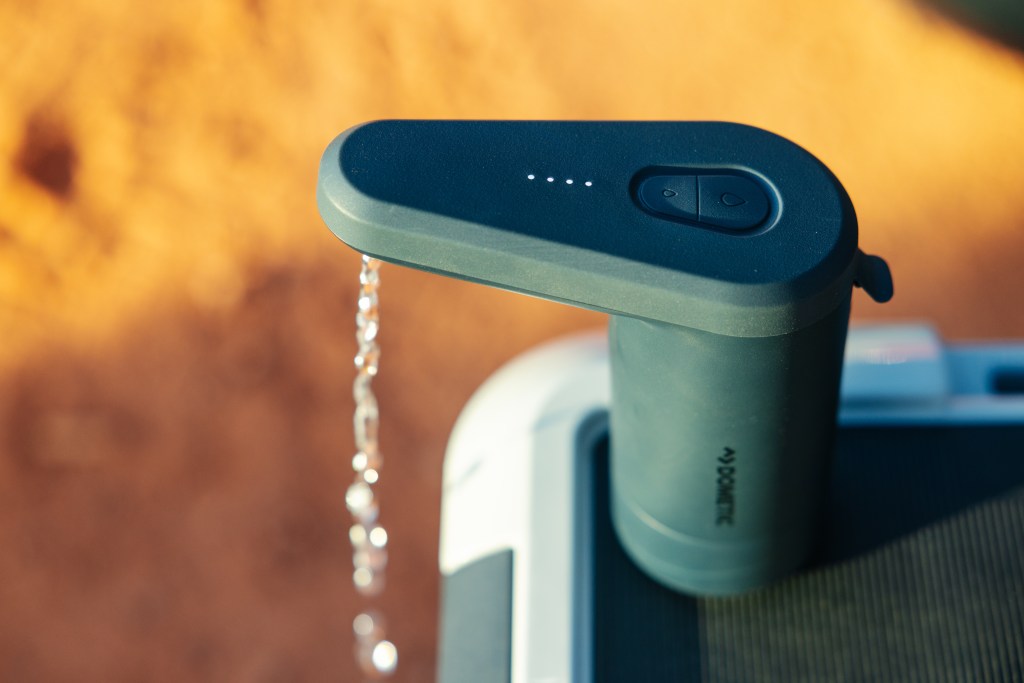
That’s partly out of necessity, but elegance also plays a role. For instance, it makes a portable, battery-powered faucet system that can be piped to pull water directly from Dometic’s own Recon coolers, so you’re not trying to lift a heavy jug or wasting water trying to pour with an inexact spout. Tap the electric Recon faucet and it works like your home spigot, and even lights your cup so you can refill in the dark.
Another solutions-based form of elegance is to use air for structural tent components. Air poles set up faster than metallic ones, and they can also be broken down instantly if you have to leave quickly.
But Zachrich says they landed on using air for another reason: durability. These evolved from RV awnings that have to stay up for days at a time, but also won’t get damaged in a windstorm that could force the shape in half. A metal pole would break in that instant. “The air ones just spring back into place.”
Henrik Jensfelt, Global Head of Design at Dometic, adds that the tents use a very tightly-woven mesh for screens, whereas a lot of backpacking-style screening has a wider grid. “There’s a story there—in Australia they have a small fly called a midge,” and the tiny insect can sneak through weaker screens. Since Dometic sells to 60 countries worldwide, they want to protect users from a myriad of pests.
Jensfelt says that if there’s an ethos at play, it’s a very Swedish one: to be helpful but always in the background. “For the outdoor experience, you need to breathe, you need to eat, sleep and you need to move, and that’s the Dometic philosophy.”
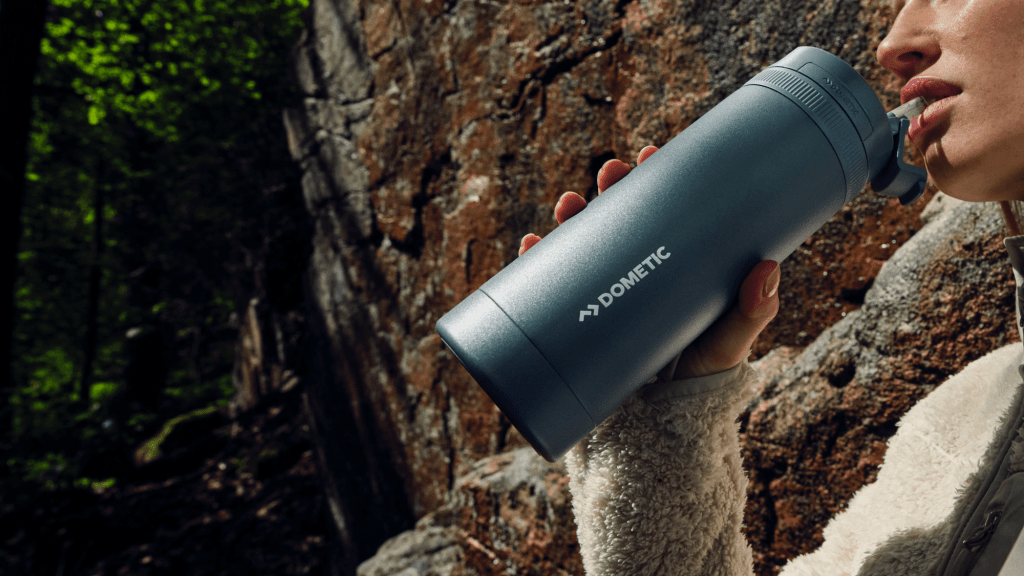
A good example of this can also be seen in Dometic’s modular approach. Zachrich points to its tumblers, which can be reconfigured with different sip lids, straw-style systems, a wider-mouthed “chug” lid, and straps, all off the same bottle. “In researching this very intimate experience, where your lips are kind of making out with this thing, we realized everyone has their own nuances and quirks and we can’t control that.” So, in a very Dometic way, they didn’t try to. Instead, Zachrich says, “we built a platform in which you could tailor your very own experience.”
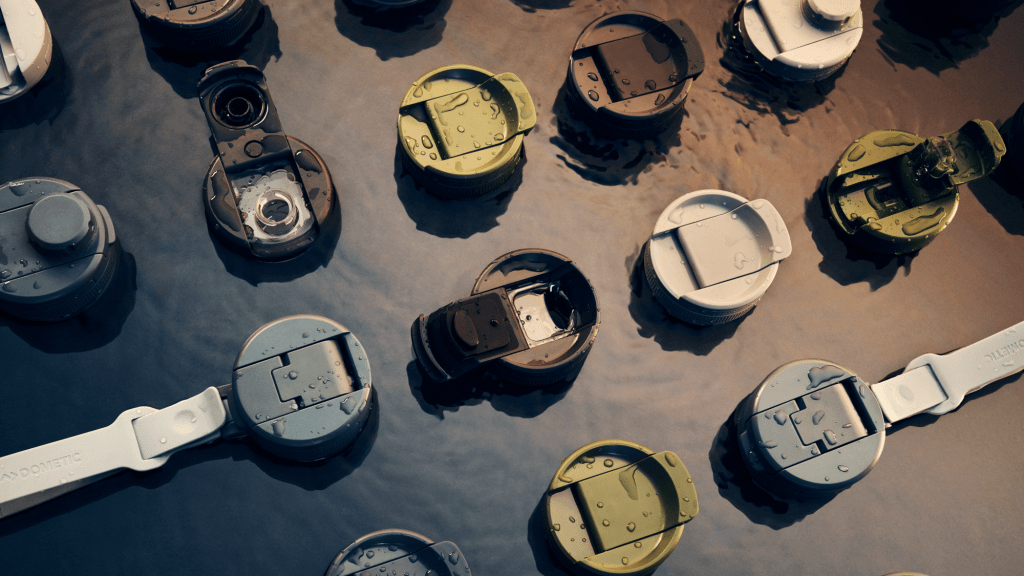
But beyond that, Zachrich says, Dometic put its bottles through the wringer, drop testing them and trying to destroy them. “We’re very thorough about these things in making sure they’re bomber.”
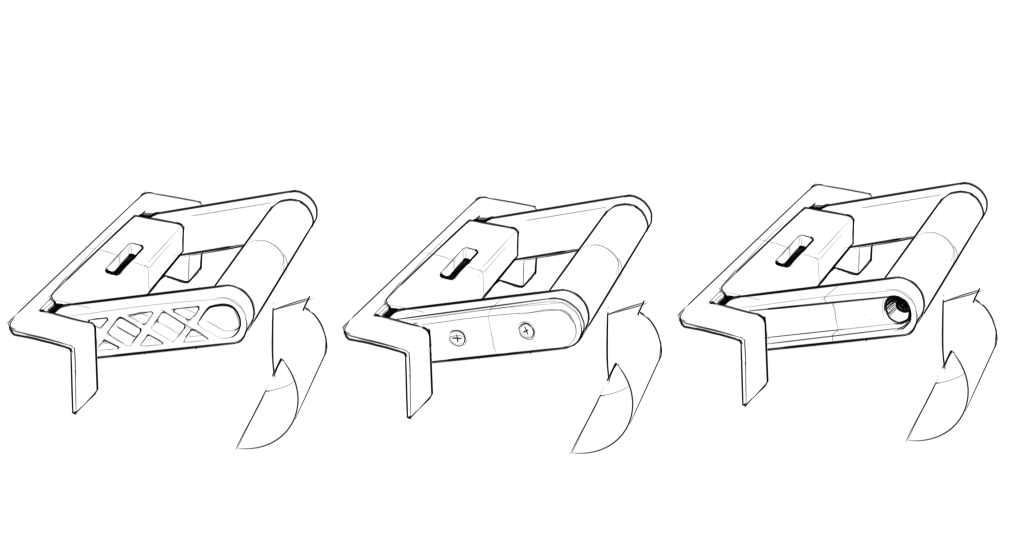
Grab the handle of the CFX cooler, though, and you can also tell that Dometic sweats ergonomics. The company hangs their coolers off of just one of the handles with a chain, dropping them at velocity to make sure they won’t break. But the handle design is also brilliant, because even though one of these coolers can exceed 60 pounds empty (remember, it’s basically a refrigerator), the handles don’t bite into your hands or beat up your knuckles when you’re walking with it. That’s whether you carry it solo with your palms facing in or out, when you might be toting the cooler across rugged terrain with a friend.
Zachrich says the team obsessively studies aspects like handle design, and the company has an entire crew of testers worldwide they can video chat with, so they watch how they pack a cooler, how they carry it, load it, unload it and listen to their concerns. This includes a huge marine customer base, too, where, as Jensfelt puts it, “there cannot be a Plan B.” Plan A has to work.
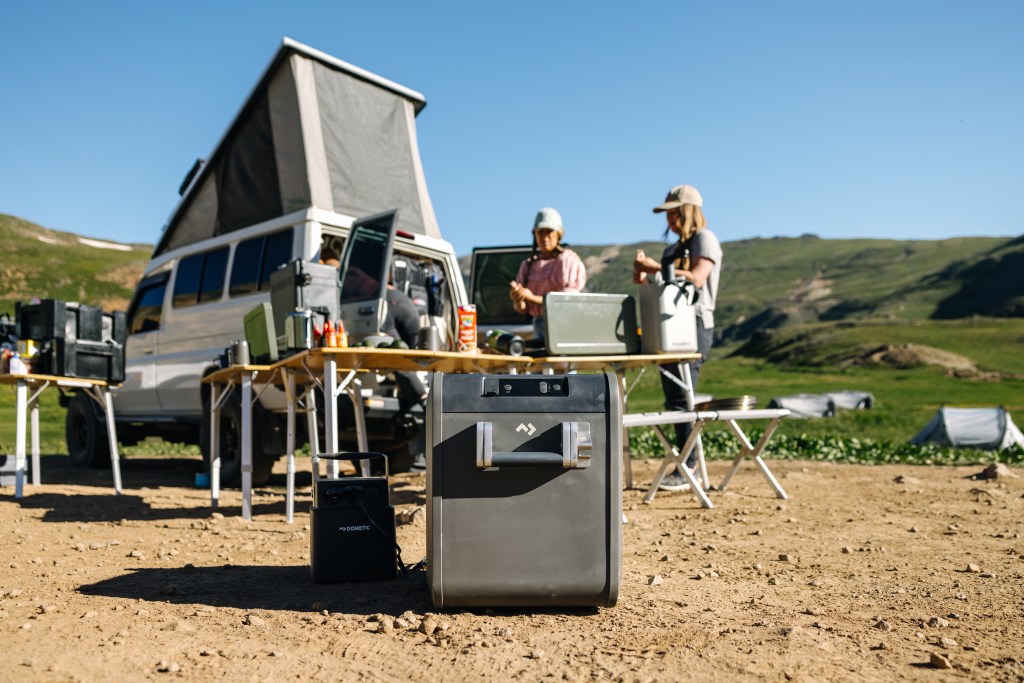
Coming back to battery design, Zachrich says that Dometic designers examined people’s hands before they produced their PLB15, which is about the size of a 16-ounce beverage can, but is powerful enough to keep the CFX 75 cooler running all night. It’s also versatile, and can simultaneously charge three devices at once via USB, USB-C and DC. Oh, and it’s also got a built-in flashlight.
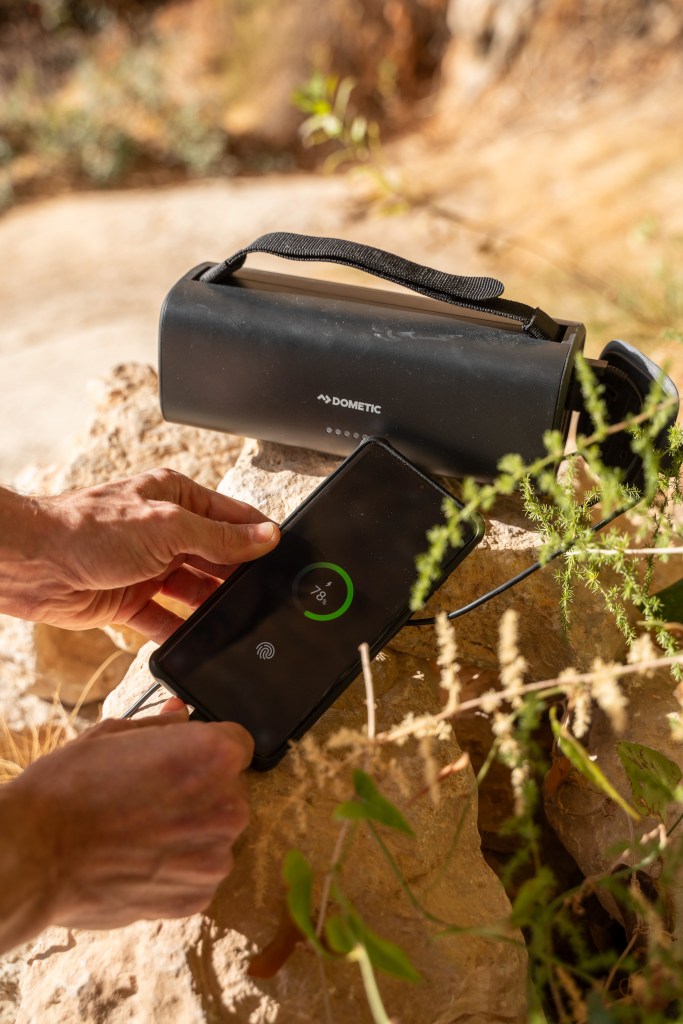
But Zachrich is proudest of how it’s easy for anyone to grab: “We tested a lot of handles and looked at very small-person hands and very large people.” This was harder than you think, because Dometic worried about what might happen to the battery in a tightly packed car, or if the thing went tumbling out of a backpack or across the deck of a boat. “For that, you can’t have a lot of protruding geometry,” because that could make the battery or its plugs vulnerable to damage or sand or water penetration.”
A clever cap encloses all of that, and Jensfelt notes that as with thinking about a tent with poles made of air, the battery also fits into the brand’s ethos. “The key is making it easy when things are hard. The wind, the weather, the cold hands, the sweaty hands, the dark, the weather. We try to take away any resistance and any hindrance to getting people outdoors.”





What are your thoughts?